


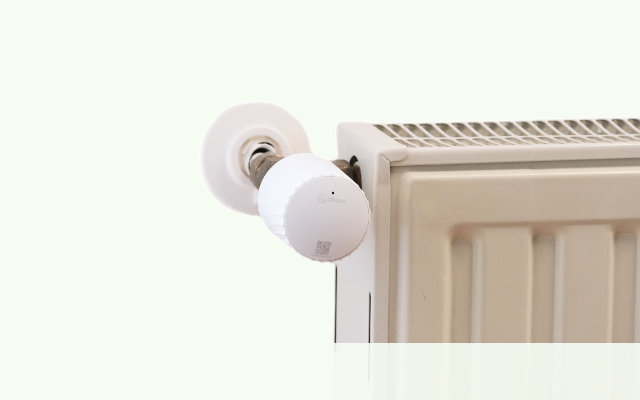


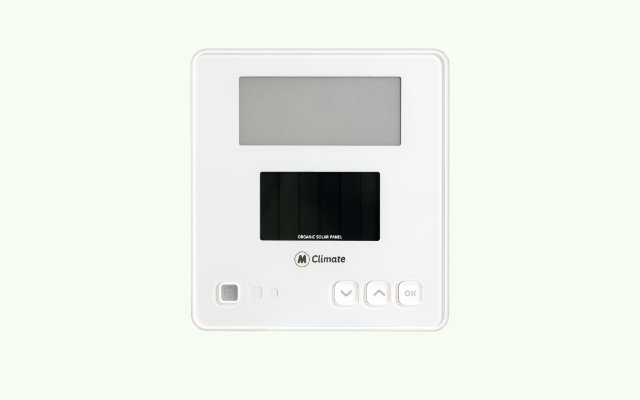















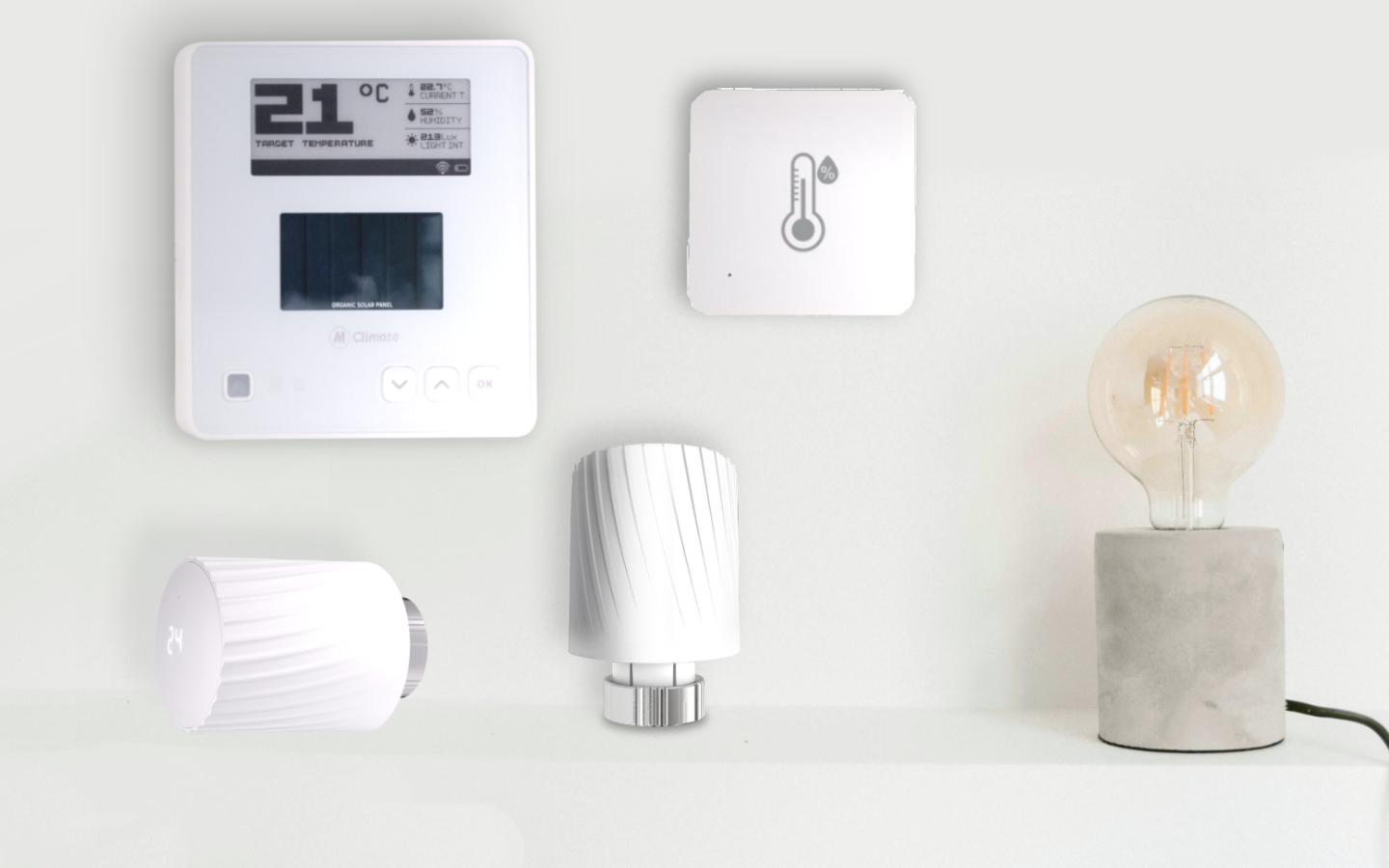
A sensor is a component that measures a physical quantity, such as temperature, humidity, or the status of a window, and converts it into an electrical signal. It provides the data on which a control system bases its decisions and is therefore the starting point for any automation. Without sensors, a system would have no information about the actual conditions inside the building and would be unable to respond as required, whether to the temperature or to an open window.
What is a sensor?
A sensor detects a condition or a change in its environment and makes it measurable. In building services engineering, it translates reality into data that the control system can use. Without sensors, a system would have no information about what is actually happening in the building and would be unable to respond as required. Together with the actuators, they form the field level of building automation.
What types of sensors are used in building services engineering?
Common examples include:
- Temperature sensors for room and radiator temperature
- Window contacts that detect when windows are open
- Humidity sensors for measuring air humidity
- CO₂ sensors for monitoring air quality
- Occupancy and presence sensors that detect whether a room is in use
In wireless systems, they transmit their readings wirelessly to a gateway; they are often battery-powered and require no cabling.
What is the difference between a sensor and an actuator?
A sensor measures and monitors but does not intervene. An actuator carries out actions and alters a state, for example, by adjusting a valve. In a control system, the two work together: the sensor provides the information, while the actuator implements the decision derived from it. It is only through the interaction of the two that the control loop is closed, enabling a system to detect, evaluate, and specifically influence its environment.
Sensor technology is crucial to the quality of a control system, as a control system can only ever be as good as the data on which it is based. If a temperature sensor is positioned in an unfavourable location, for example, in the immediate vicinity of a radiator or in a draughty area, it will provide distorted readings, and the control system will respond incorrectly.
In wireless systems, there is the additional requirement that they must transmit reliably, which is why range and battery life are key factors in the selection process. Well-placed and appropriately selected sensors are therefore the foundation of any effective automation.
Related terms
Sources and further information
- Betterspace: MSR-Technik und wie sie Energie spart
- Betterspace: Energiemanagement in Bestandsgebäuden nachrüsten
- Betterspace: Alles LoRa? – better.energy 2.0: Energiemanagement mit LoRaWAN
- Wikipedia: Sensor