



















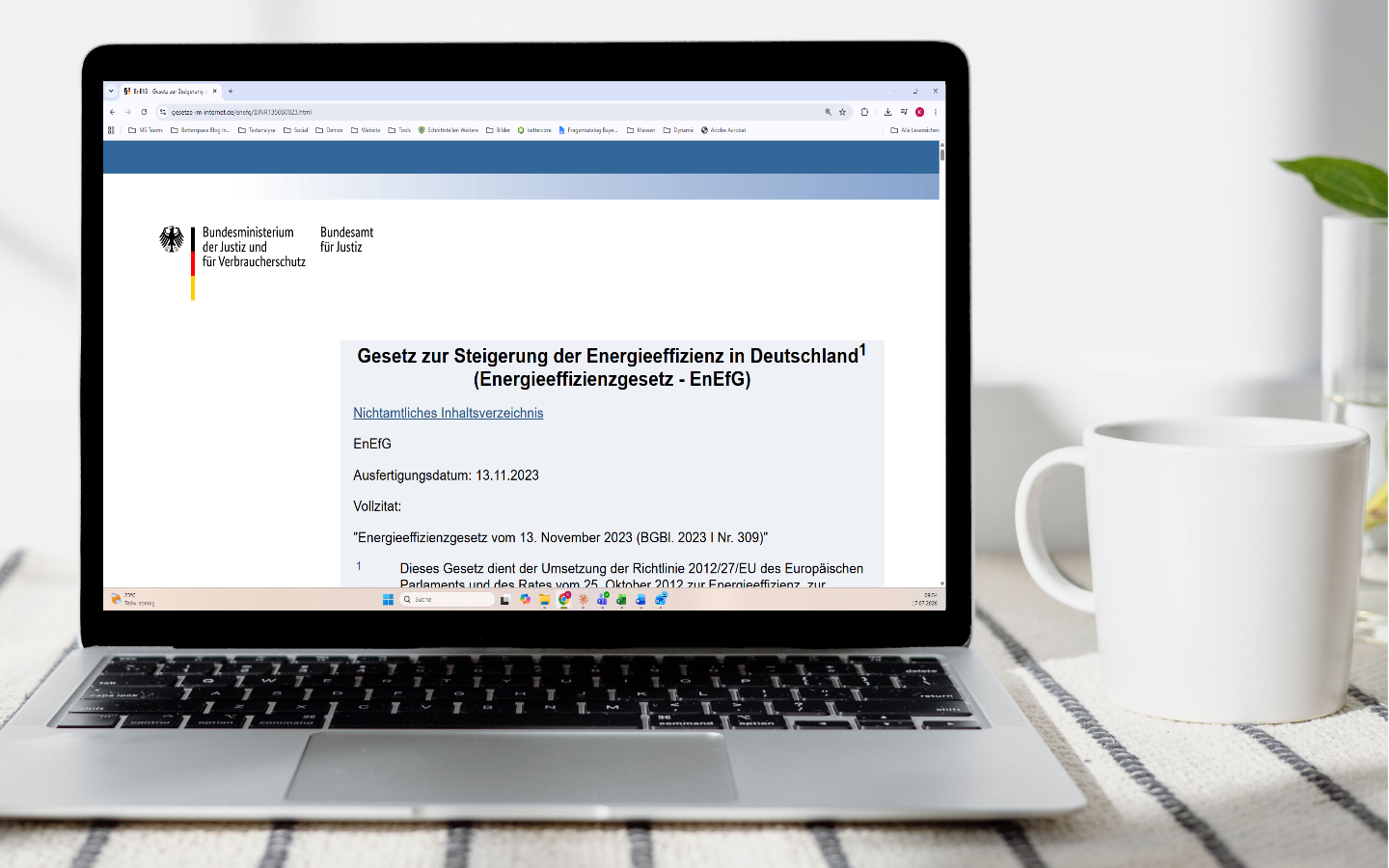
The Energy Efficiency Act (Energieeffizienzgesetz, EnEfG) is a German federal law that, effective November 18, 2023, establishes a comprehensive framework for improving energy efficiency and transposes the requirements of the EU Energy Efficiency Directive into national law. It requires companies and public entities to implement specific measures—ranging from management systems and implementation plans to waste heat recovery—based on their energy consumption.
What is the EnEfG?
For the first time, the EnEfG consolidates requirements for improving energy efficiency in Germany into a single federal law. Depending on their energy consumption, it requires companies to implement energy or environmental management systems, develop implementation plans for cost-effective energy-saving measures, and utilise waste heat. It also sets annual savings targets for public entities. The law is thus aimed at large consumers and complements building-related regulations such as the Building Energy Act (Gebäudeenergiegesetz) and its successor.
Who is subject to the EnEfG, and at what consumption level?
The average annual energy consumption over the past few years is the determining factor. Under the current version of the regulation, companies with a total final energy consumption of 7.5 GWh or more must implement a certified energy or environmental management system. For companies with a consumption of 2.5 GWh or more, implementation plans must be drawn up for identified energy-saving measures.
Public entities with a total final energy consumption of 1 GWh or more are subject to an annual energy-saving obligation. Important for communication: An amendment introduced by the federal government in June 2026 provides for a significant increase in the threshold for the management system. Since this amendment was still in the legislative process at the time of writing, the specific thresholds must be verified against the current text of the law before making any investment decisions.
How do companies comply with the requirements of the EnEfG?
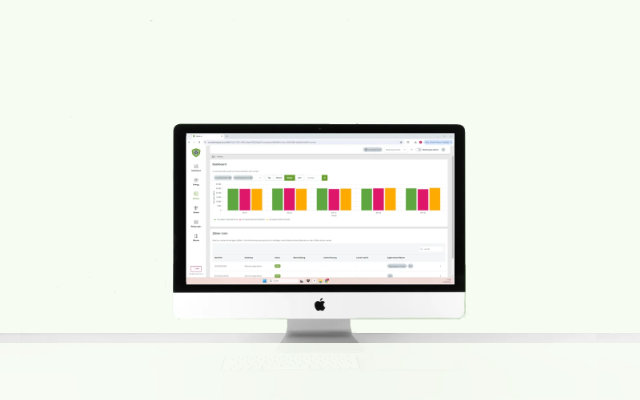
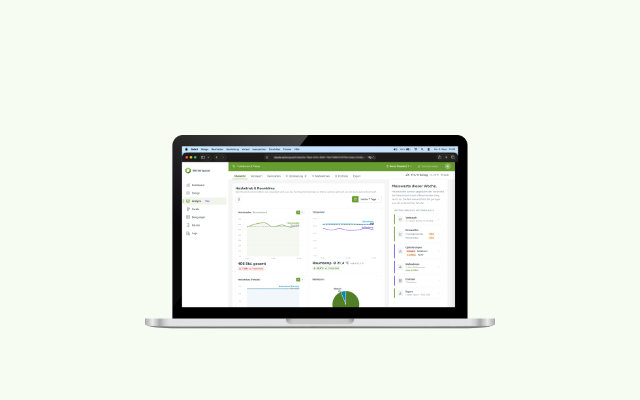
The first step almost always involves structured energy monitoring, which provides the necessary consumption data. An energy management system in accordance with ISO 50001 or an environmental management system in accordance with EMAS is built upon this foundation. Using this data, it is possible to identify potential savings, evaluate cost-effective measures, and develop the required implementation plans.
For many operators of non-residential buildings, it makes sense to consider the requirements of the EnEfG in conjunction with building-related automation obligations, because both draw on the same data set, allowing efforts to be consolidated.
What specific obligations arise from the EnEfG?
The law tiers its requirements according to average annual energy consumption. Companies above the higher threshold must operate a certified energy or environmental management system. Companies above the lower threshold must draw up and publish concrete implementation plans for economically viable savings measures.
There is also an obligation to avoid waste heat as far as possible and, where this isn’t possible, to make use of it, along with a requirement to report waste heat data. Public bodies are subject to their own annual savings obligation. What all these obligations have in common is that they can barely be fulfilled without reliable consumption data, which is why energy monitoring is, in practice, the starting point.
How does the EnEfG relate to the Buildings Energy Act?
The EnEfG and the Buildings Energy Act (Gebäudeenergiegesetz), or its successor, address different starting points. The EnEfG ties in with an organisation’s energy consumption and obliges large consumers regardless of which building they operate from. The Buildings Energy Act, by contrast, is aimed at the individual building and its technical systems, for example, through the obligation to implement building automation above a certain system output.
In practice, the two interlock, since the same consumption data is needed both for the management obligations under the EnEfG and for building-related control systems. Anyone planning for both requirements together avoids duplicating effort. For operators of non-residential buildings, it is therefore advisable to think through consumption-related and building-related requirements together from the outset, using the same data basis for both.
Related terms
Sources and further information
- Betterspace: Das neue Energieeffizienzgesetz – Was kommt auf Unternehmen zu?
- Gesetze im Internet: Volltext des Energieeffizienzgesetzes (EnEfG)