
















A REST API is a widely used type of programming interface that provides a system’s data and functions via standardized web requests over HTTP. REST stands for Representational State Transfer and describes an architectural principle for data exchange between systems. Because it is based on established web technologies, it is one of the most common ways to connect two systems.
What is a REST API?
A REST API is an interface that allows two systems to communicate with each other in a standardized way. It follows the REST architectural principle, which makes data exchange simple, consistent, and platform-independent. Because REST APIs are built on established web technologies, they are now one of the most common ways to connect software systems.
How does a REST API work?
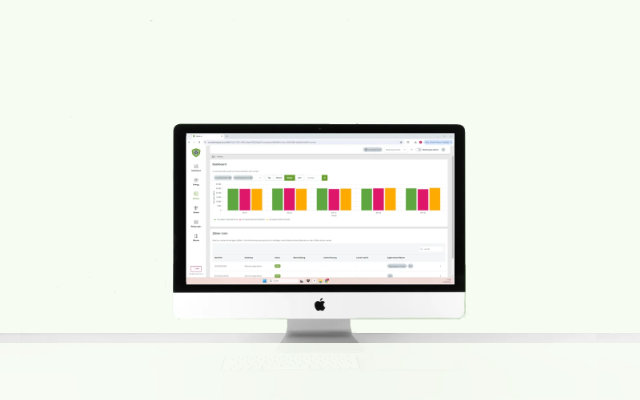
One system requests specific data or functions via a web address and an HTTP method; the other system responds in a standardized format, usually JSON. For example: An analytics system uses the REST API to retrieve the current heating consumption values from a control platform and displays them in its own dashboard. Because this approach is based on widely adopted standards, it can be used with virtually any programming language, which simplifies integration.
What is a REST API used for in building automation?
In building automation, a REST interface is used for custom integration. For example, it allows consumption data from the control platform to be imported into custom reports, dashboards, or third-party systems without requiring a specialized, pre-built interface.
In addition to the REST API, platforms in the building sector often offer other interfaces, such as the FIAS hotel protocol or file-based data transfers. Which interface is suitable depends on the systems to be connected.
A practical advantage of the REST API lies in its widespread adoption: Because the principle is used across manufacturers, developers and integrators can quickly get up to speed with the integration, and extensive documentation is available. For operators, this means that a control platform with a REST interface can be integrated into an existing system landscape with relative ease—for example, to automatically transfer consumption data into a reporting system.
Related terms
Sources and further information
- Betterspace: Interfaces for better.energy
- MDN Web Docs (Mozilla): REST