











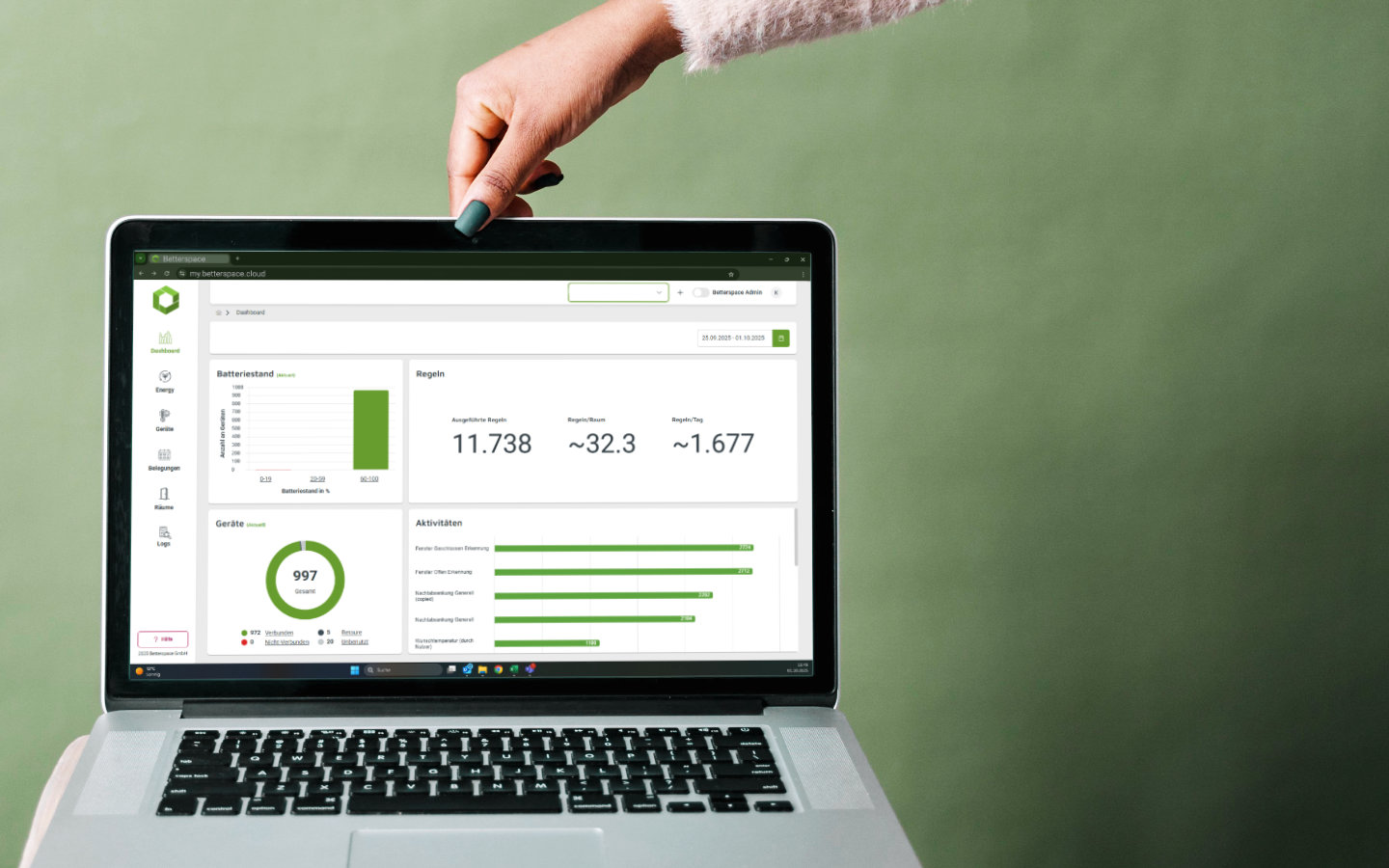
An IoT platform is a piece of software that manages connected devices – the so-called Internet of Things – collects and processes their data, and makes it available for use in applications. It acts as the central layer between the devices in a building and the people who use them and is therefore at the heart of a modern building management system. It enables locations, devices and users to be managed from a single point.
What is an IoT platform?
An IoT platform is the software layer that brings together all the connected devices in a system. It receives data from sensors and actuators, processes it, and provides functions that enable the devices to be controlled and analysed. Unlike a single app, it typically manages multiple locations, devices and users centrally and can scale to accommodate a growing number of devices.
What does an IoT platform do in building automation?
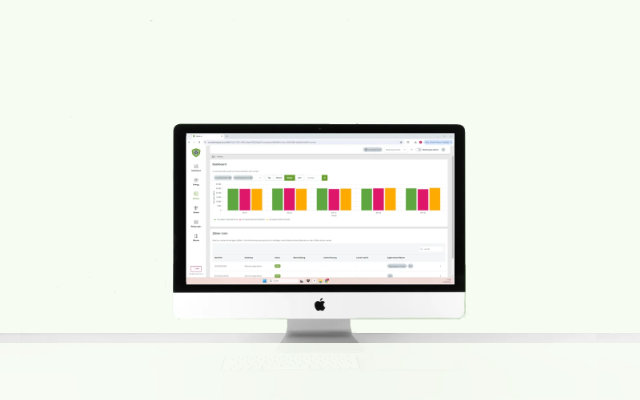
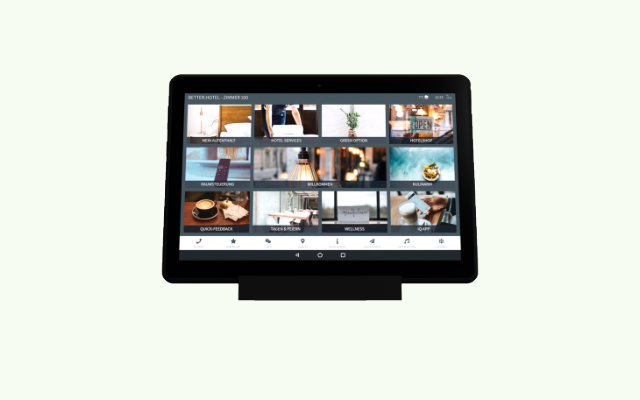
In building automation, the platform manages sites, buildings, rooms, devices, user roles and rule sets in one place. It is used to maintain occupancy schedules, define rules such as night-time temperature reduction, and view consumption figures. It serves as both a user interface and an analytics layer: operational staff use it to control the systems and monitor energy consumption. As multiple sites can be managed collectively, it is also suitable for organisations with a dispersed portfolio of buildings, such as hotel groups, hospital operators or local authorities.
How secure is the data on an IoT platform?
The level of security of data on an IoT platform depends on the technical implementation, but it is a key criterion in the selection process. Secure systems rely on end-to-end encryption from the device to the server. If, for example, the platform uses LoRaWAN, the data is encrypted end-to-end. This involves two separate security layers for the network and the application, usually based on the AES standard.
Furthermore, if the system operates independently of the operator’s IT network, there is no need to integrate it into that infrastructure, which reduces the attack surface and the workload for the IT department. For many technical decision-makers, it is precisely this network independence that is a key selling point.
What distinguishes an IoT platform from traditional building management systems?
Traditional building management systems are usually hard-wired, designed for a single building and often tied to a specific manufacturer’s system. An IoT platform, by contrast, typically operates wirelessly, manages multiple sites centrally and can be connected to other systems via open interfaces.
This makes it particularly attractive for existing building stock, as devices can be added without the need for complex cabling and the platform scales up as the number of connected devices grows. For organisations with a dispersed portfolio of buildings, centralised management via a single interface is a key difference compared to traditional, site-specific building management systems.
What requirements should an IoT platform meet in building management?
Four characteristics are particularly important. The platform should be able to scale as the number of devices grows, without the user interface becoming confusing. It should support user roles and permissions so that different user groups can only view and control what is intended for them. It should provide an open interface, known as an Open API, to transfer data to other systems. And it should encrypt data throughout the system.
Only when these fundamentals are in place can a platform be used reliably and securely in building management and continue to operate effectively even as the number of devices grows. If any of these features is missing, this often only becomes apparent during operation – for example, when a second site cannot be integrated properly or data cannot be transferred to an existing system.
Related terms
Sources and further information
- Betterspace: better.energy
- Betterspace: Open API
- Bitkom: Grundlagen und Studien zum Internet of Things