
















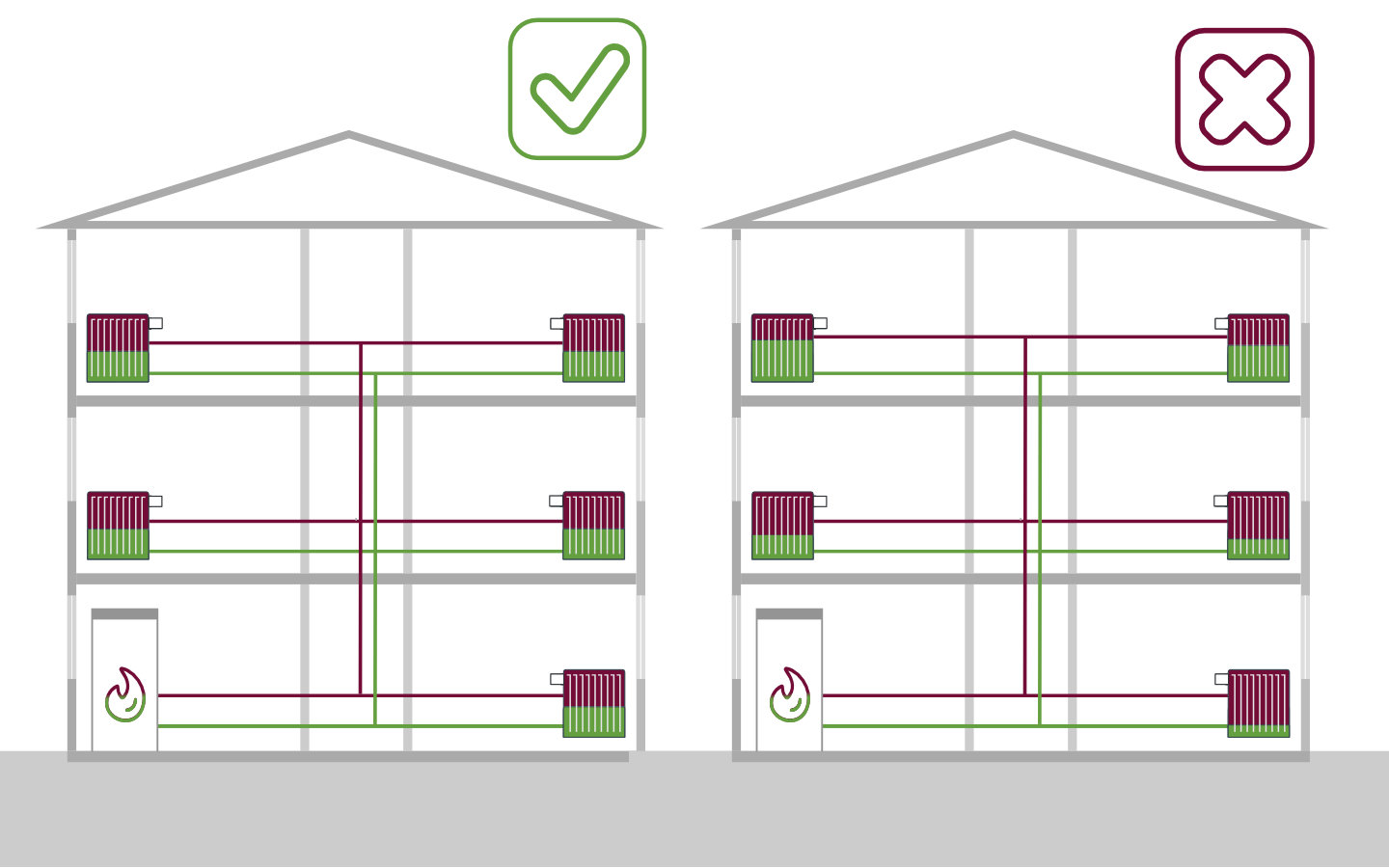
Hydraulic balancing is the adjustment of the heating system that ensures exactly the right amount of water flows through each radiator to provide the required heat output. Without this balancing, the heated water follows the path of least resistance, so that radiators located close to the heat generator receive too much water, while those farther away receive too little. The result is unevenly heated rooms, potential flow noises, and unnecessarily high energy consumption.
What is hydraulic balancing?
During hydraulic balancing, the heating system is adjusted so that the heating water is distributed evenly among all radiators and heating circuits. To do this, the required flow rates for each radiator are calculated, and the valves are preset accordingly.
This process is based on a calculation of the heating load, for which standardised methods exist. The balancing should be performed and documented by a specialised contractor because the calculations are complex and the documentation is required for verification and subsidies.
Why does hydraulic balancing save energy?
If a system is not balanced, people often try to heat under-supplied rooms by increasing the flow temperature or the pump pressure. Both of these measures increase energy consumption and can cause noise. Hydraulic balancing addresses the root cause rather than the symptoms: Each radiator receives the appropriate amount of water, the flow temperature can be lowered, and the thermostatic valves can regulate the flow properly.
A balanced system is particularly important as the foundation for automatic radiator control, because otherwise the intelligent control system works against poorly adjusted hydraulics and cannot fully realise its potential.
When is hydraulic balancing mandatory in Germany?
Hydraulic balancing is required by law for certain existing buildings with water-based heating systems. The requirements initially stemmed from the Verordnung zur Sicherung der Energieversorgung über mittelfristig wirksame Maßnahmen and were subsequently enshrined in the Gebäudeenergiegesetz (engl.: Building Energy Act), which refers to the DIN EN 12831 series of standards for calculations.
Because the legal framework is changing with the replacement of the Gebäudeenergiegesetz by the Gebäudemodernisierungsgesetz (engl.: Building Modernisation Act), the specific applicable deadlines and thresholds should be verified in the current text of the law. Regardless of whether it is mandatory, balancing is also often a prerequisite for receiving subsidies.
Can hydraulic balancing be performed digitally?
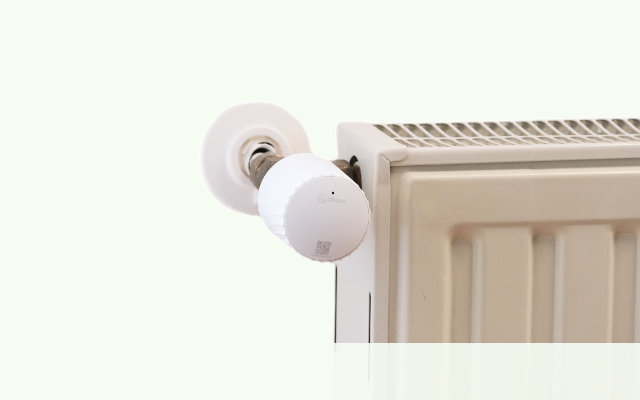
Hydraulic balancing can be performed partially digitally. As of now, a fully digital hydraulic balancing is not yet possible, but a digitally assisted process is. Electronic and wireless thermostats can handle individual steps: They regulate the flow rate, continuously monitor temperature trends, and dynamically adjust the water volume. Because they continuously readjust, they operate differently from the traditional Method B, which performs the balancing only once.
What the thermostats cannot do is perform the complete professional balancing process: They do not replace pipe network calculations, visual inspections of radiators, or comprehensive documentation by a professional contractor. Furthermore, for individual measures and for subsidies, a software-supported calculation according to Method B is generally required. Digital technology thus speeds up and simplifies the process, but it does not completely replace professional balancing.
What are the benefits of thermostats certified for hydraulic balancing?
Thermostats certified for hydraulic balancing have been tested for suitability by an independent body, such as TÜV, in accordance with the German DIN 94679-4 standard. This certification is crucial, because only tested systems can be used in compliance with the law and are recognised under government subsidy programmes.
The benefit lies in the fact that such thermostats handle specific tasks involved in balancing, dynamically regulate flow, continuously adjust heat distribution rather than just once, and provide the necessary documentation for verification. For operators of non-residential buildings, this reduces the workload and liability risk.
It is important to note, however, that even certified thermostats do not replace the complete, legally required balancing process; rather, they support it. For use in existing buildings, they should also be compatible with the existing heating system and scalable.
Related terms
Quellen & weiterführende Informationen:
- Betterspace: Hydraulischer Abgleich im Nichtwohngebäude
- Betterspace: Die optimale Heizungsanlage, hydraulischer Abgleich und better.energy
- Betterspace: Faktencheck zum digitalen hydraulischen Abgleich
- Betterspace: Smarte Thermostate für den hydraulischen Abgleich
- Verbraucherzentrale: Hydraulischer Abgleich, so wird die Heizung effizienter