


















Energy monitoring is the continuous collection, visualisation, and analysis of energy consumption data from a building or facility. The goal is to provide transparency regarding consumption – such as heat output – to identify anomalies early on and to demonstrate potential savings.
What is energy monitoring?
Energy monitoring involves continuously measuring and analysing energy consumption, rather than simply reviewing it once a year through utility bills. It answers the question of where, when, and how much energy — that is, electricity or heat — a building actually consumes. A single annual figure is thus transformed into a detailed picture that shows trends over time and allows for comparisons between buildings, areas, or rooms. This picture is essential for identifying waste in the first place.
How does energy monitoring work?
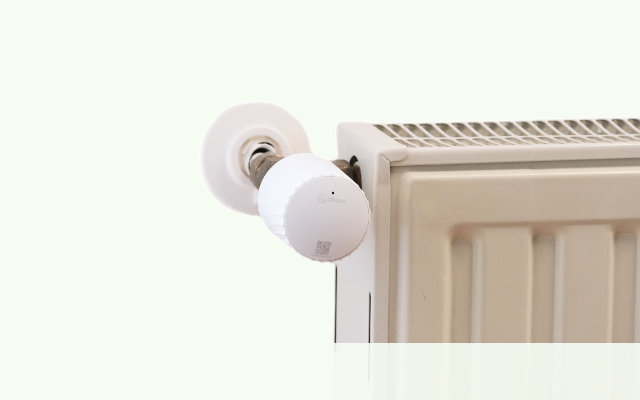
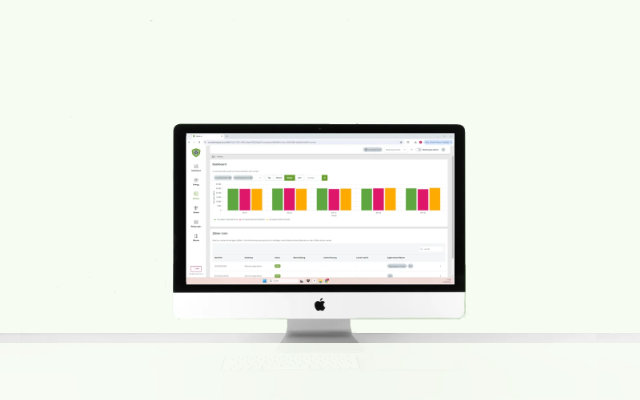
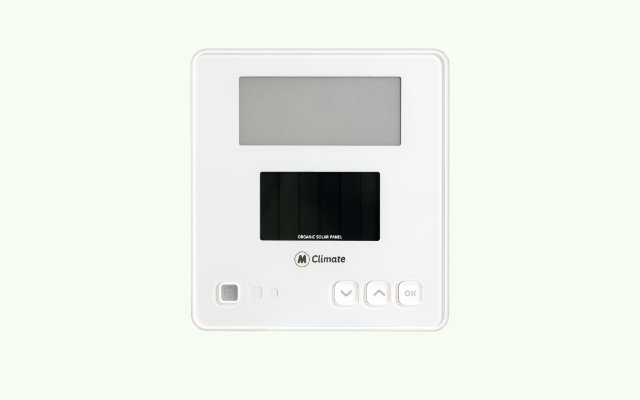
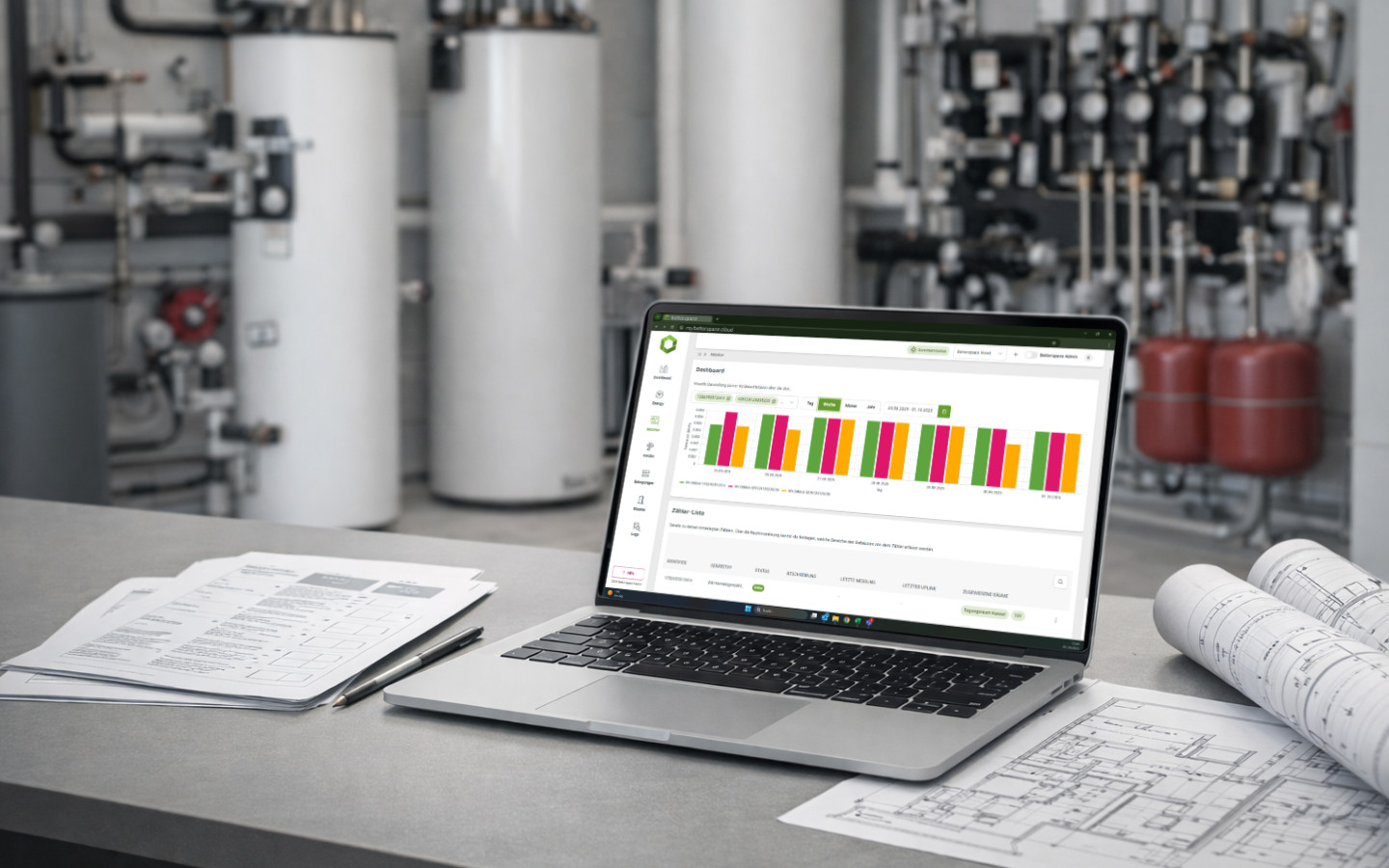
Sensors and meters, such as heat meters, collect consumption data and transmit it to a central platform. In wireless systems, data is transmitted via LoRaWAN, eliminating the need for complex cabling. On the platform, the data is visualised and analysed, usually in charts and key metrics, so that deviations and trends become immediately apparent. Automatically readable meters eliminate the need for manual readings and provide data at a high temporal resolution.
What are the benefits of energy monitoring?
The benefits go beyond mere transparency:
- Early detection of consumption spikes and malfunctions
- Comparison of buildings and areas to identify outliers
- Verifiable evidence for energy-saving measures and reporting
- Data foundation for future decisions regarding renovation and investment
- Basis for legally required implementation plans and management systems
Why is energy monitoring the foundation for ISO 50001 and the German Energy Efficiency Act (EnEfG)?
Both an energy management system in accordance with ISO 50001 and the legally required implementation plans under the Energy Efficiency Act rely on reliable consumption data. Without monitoring, it is impossible to identify potential savings or demonstrate that measures have been implemented.
The requirement for digital energy monitoring in larger non-residential buildings also effectively amounts to energy monitoring. Those who begin monitoring today are creating the data foundation upon which future regulatory requirements and renovation decisions can be made with confidence.
For which buildings is energy monitoring particularly important?
Energy monitoring is particularly important for buildings with high or fluctuating heat consumption and for organisations with multiple locations, because outliers and opportunities for optimisation can only be identified through comparison. These include hotels, hospitals, nursing homes, schools, and office and administrative buildings.
For larger non-residential buildings, there is an additional regulatory aspect: Systems above a certain capacity threshold are subject to a requirement for digital energy monitoring, which in practice amounts to energy monitoring. And companies subject to the Energy Efficiency Act need the monitoring data anyway for their implementation plans. Those who start monitoring early gain a head start before a legal requirement takes effect and can prioritise measures based on sound data rather than gut feeling.
What key performance indicators does energy monitoring provide?
Energy monitoring transforms raw data into meaningful key performance indicators. Typical examples include consumption per time period – such as per day, week or month – as well as comparisons between several buildings or areas. To enable buildings of different sizes to be compared, consumption is often expressed per unit of floor area, for example as kilowatt-hours per square metre per year. In addition, there may be load profiles showing how much energy is used at different times, as well as deviations from expected consumption, which may indicate malfunctions. It is only these key figures that transform mere data collection into a tool that can be used to prioritise measures and demonstrate their effectiveness.
Related terms
Sources and further information
- Betterspace: better.energy – Monitor
- Betterspace: Regulatorik, ESG und Resilienz für Betreiber
- Deutsche Energie-Agentur (dena): Energiemonitoring
- Gebäudeforum klimaneutral: GEG Automation in Nichtwohngebäuden