














Hotels & accommodation
Occupied hotel rooms are set for comfort, vacancies for efficiency – automatically with better.energy



















More comfort without structural measures
Automation instead of thermostat rounds
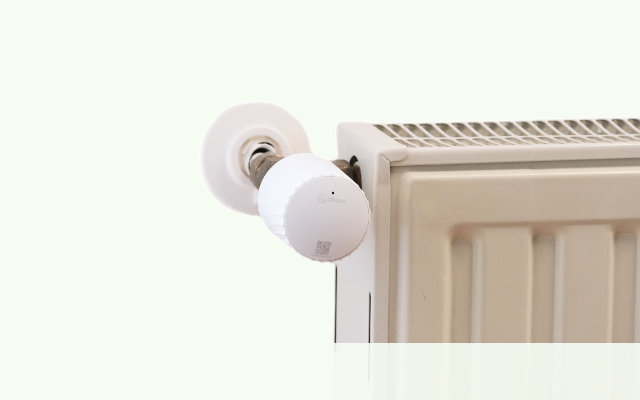
Housekeeping and technical staff have enough to do. Manually checking thermostats takes time and still leads to energy losses. The intelligent system for smart buildings, better.energy, not only lowers your operating costs but also reduces the workload for your employees. better.energy regulates the radiators completely automatically and independently of personnel. You define the parameters, such as maximum temperature, time slots, and other settings. The smart control system regulates the radiators independently according to your criteria. The system automatically implements the rules across all rooms, floors, and buildings.
PMS link and occupancy plans
Occupancy-dependent heating, optionally with system link
Seasonal fluctuations in occupancy are not uncommon in the hotel industry. It is therefore inevitable that individual hotel rooms will remain empty. If the heating continues to run when guests check-out or in unoccupied rooms, a lot of energy is consumed completely unnecessarily. When occupancy data is available from the PMS, better.energy can dynamically adjust rooms to a comfortable temperature or lower them to efficient profiles via the integrations. This allows you to heat according to demand: comfort when guests are there – efficiency when they are not.


Energy-efficient comfort temperatures
More comfort and up to 35 percent reduction in heating costs
Say goodbye to manually checking your radiator thermostats. The fear that your hotel guests or employees will forget to turn down the heating is also a thing of the past. Hotel guests can set their own comfortable temperatures at any time using the thermostats, but only within your specified upper and lower temperature limits. In addition, better.energy detects when the temperature drops if a window in the room is opened and automatically adjusts the temperature downwards. Hotel rooms couldn’t be more comfortable!
From detached houses to hotel chains
Make consumption visible and document measures
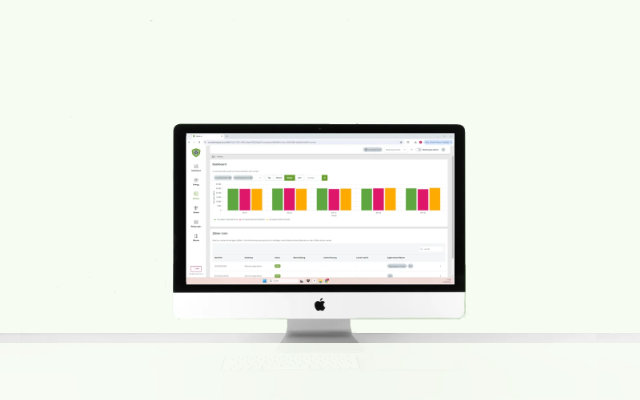
With better.energy – Monitor, you can identify which buildings, floors or zones are conspicuous in terms of energy consumption. You can compare time periods, measure the effects of control adjustments and prioritise measures based on data. This is ideal for hotel groups and operators. In addition, the multi-tenant functions of better.energy – Control ensure that you always have an overview of the radiators, control sets and rules in all buildings and can control them centrally. Efficient heating without wasting energy couldn’t be easier.

Modular and flexibly adapted
The perfect helpers for efficient heating and cooling

better.energy – Control:
Automatically controls radiators and fan coils depending on usage and occupancy.

better.energy – Monitor:
Digitally measure, compare, and evaluate the heat consumption of your buildings.
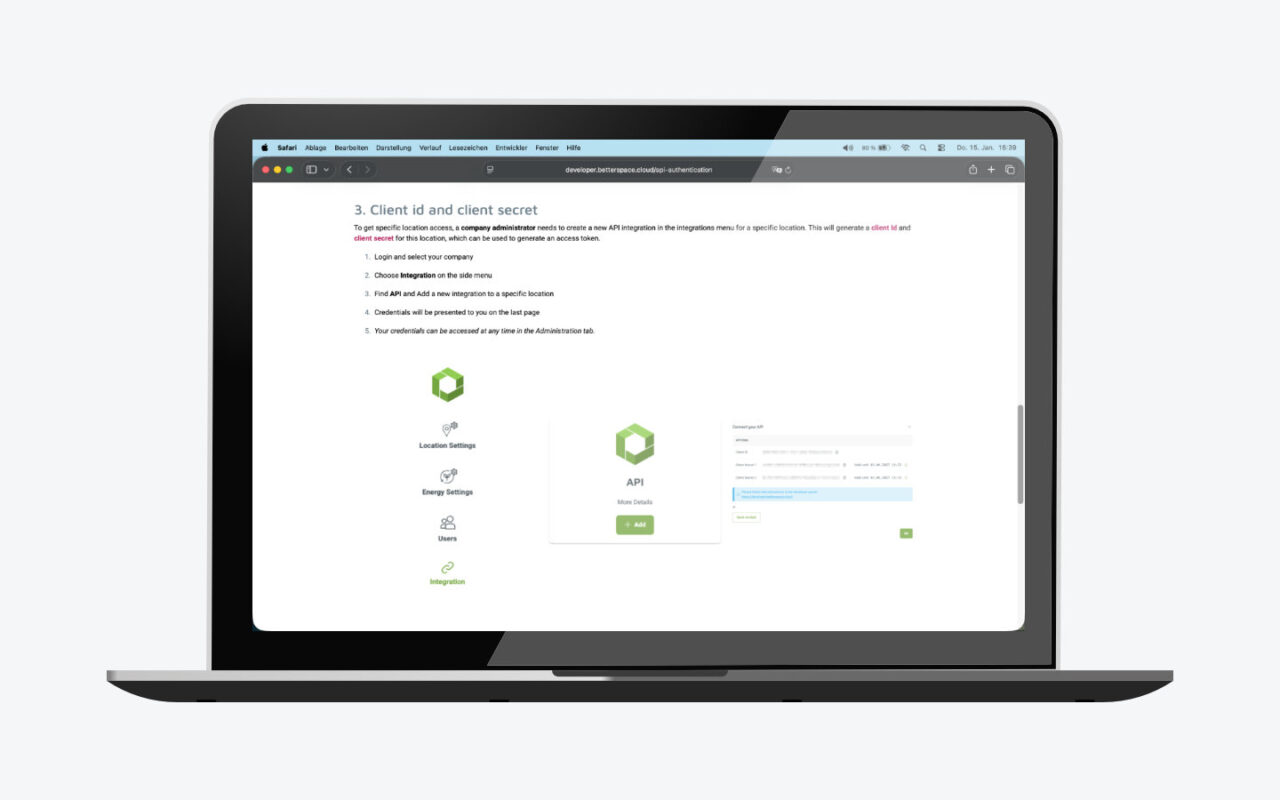
better.integrations:
Connect industry and occupancy software or export data quickly and easily.
Increase energy efficiency automatically and intelligently
Want to see specific savings potential per building and find out what better.energy can do for your hotel?
Frequently asked questions
Does better.energy also work with highly fluctuating occupancy rates?
Automation really comes into its own when occupancy rates fluctuate: occupancy schedules, zone logic, and defined comfort limits ensure that rooms and areas are heated efficiently, regardless of short-term fluctuations in usage.
Can we integrate occupancy or check-in/check-out information?
If the relevant data is available in your property management software, it can be integrated via our Open API better.integrations. By connecting to your PMS, rooms are comfortably heated before check-in and efficiently cooled down after check-out, without any manual work.
Does this affect the guest experience?
The control of radiators and fan coils is designed to ensure that comfort is reliably available during times of use. Limit values and profiles prevent unpleasant temperature fluctuations, while energy losses are reduced in the background, for example, when windows are opened.