


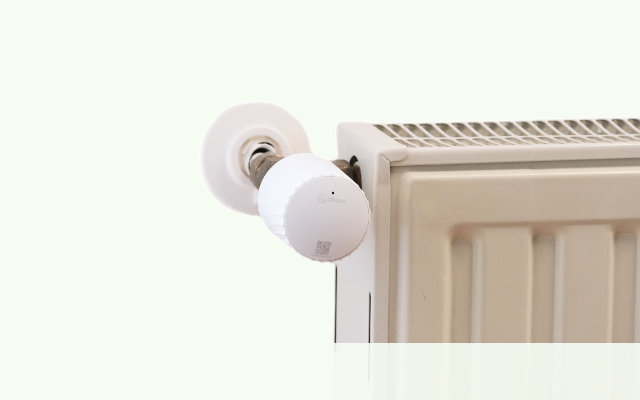


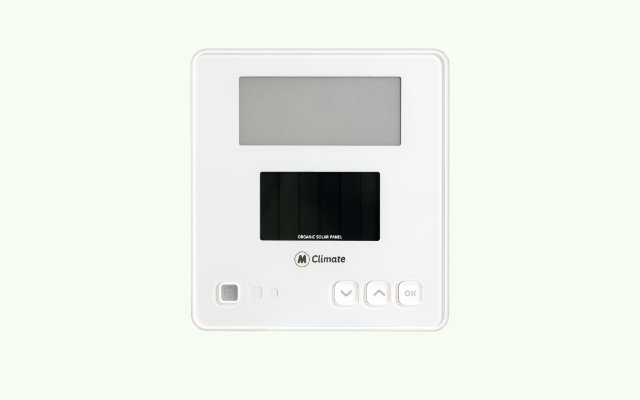
















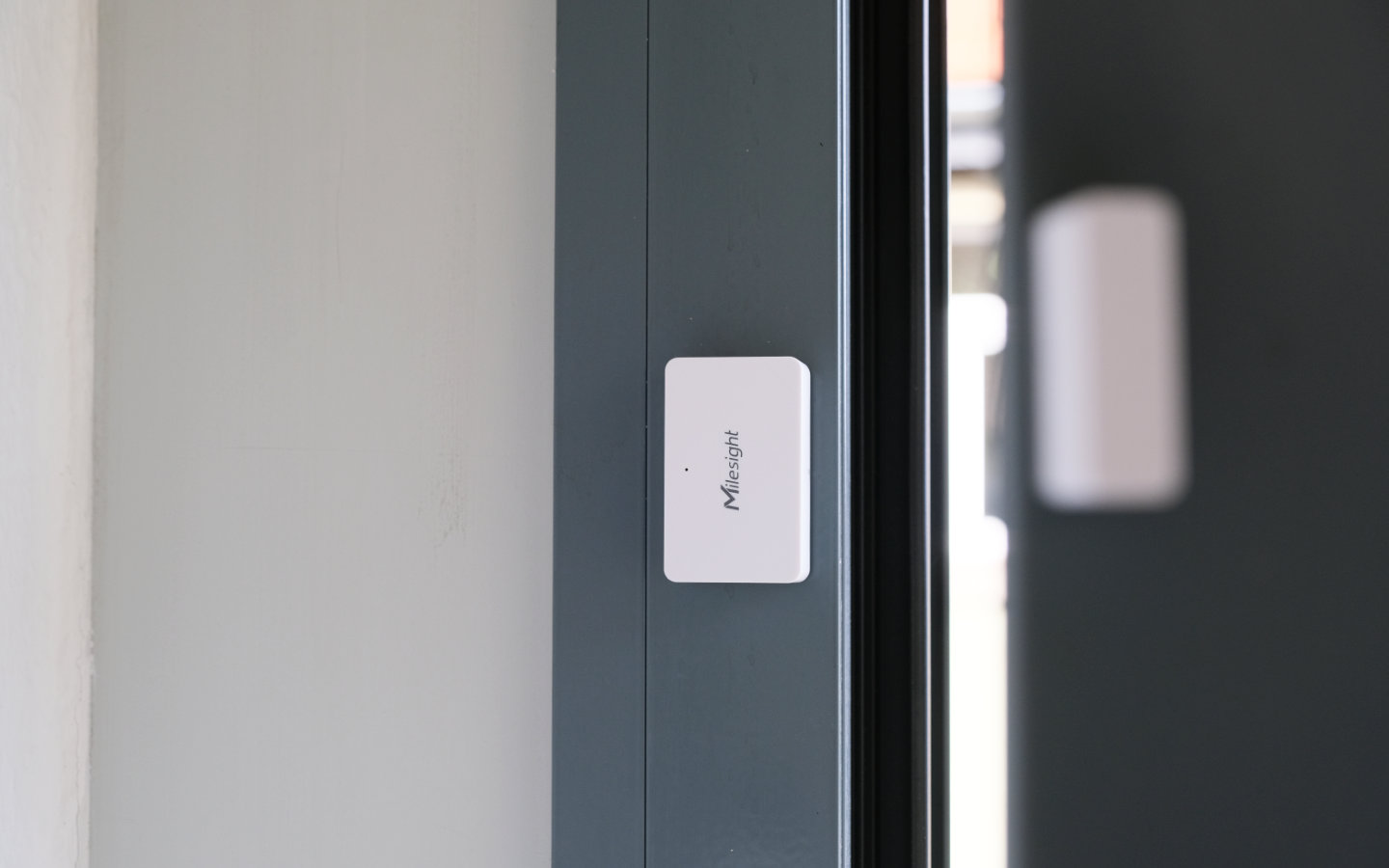
A window contact is a sensor that detects whether a window is open or closed and reports this information to the heating control system. If an open window is detected, the system can automatically exclude the room in question from the heating system whilst it is being ventilated. This prevents the heating system from working against the inflow of cold air, which is one of the most common causes of unnecessary energy consumption.
What is a window contact?
A window contact usually consists of two parts – one on the window frame and one on the sash – which detect their relative positions. As soon as the window opens, the contact’s status changes and the sensor reports this to the control unit. In radio-based systems, this is done wirelessly and is battery-powered. It is therefore a classic sensor that translates a physical state into a signal for the control system.
How does a window contact switch help to reduce heating costs?
Leaving a window open whilst the heating is on is one of the most common causes of unnecessary energy consumption, as the heating has to work harder to counteract the cold air coming in. The window contact prevents exactly that: it detects when the window is open, whereupon the control system reduces the output of the radiator in that room and restores it once the window is closed.
Some systems also detect open windows by detecting a sudden drop in temperature; however, a dedicated window contact reacts immediately and more reliably, as it does not have to wait for the temperature change to occur.
Why are wireless window contacts so easy to retrofit?
Wireless sensors require no cabling and no alterations to the building structure. They are mounted on windows, battery-powered and integrated into the system via wireless technology such as LoRaWAN. This means they can be installed in existing and listed buildings without the need for structural work.
This is a practical way to realise additional savings potential, particularly in buildings with many windows and varying usage patterns, such as hotels or schools. Maintenance requirements remain low, as the batteries in these sensors last for several years depending on usage and can be replaced without tools.
During installation, particular care must be taken to ensure the two contact parts are correctly aligned so that opening is reliably detected. In rooms with several windows, a separate contact can be fitted for each window to accurately map the room.