




















“Energy Efficiency First” is a fundamental principle of the European Union’s energy policy. It states that energy efficiency must be given priority in planning, policy-making, and investment decisions before investing in additional generation capacity or infrastructure. The basic idea is that the cheapest and cleanest energy is the energy that is not consumed in the first place. The revised EU Energy Efficiency Directive enshrines this principle in law.
Translated with DeepL.com (free version)
What does Energy Efficiency First mean?
The ‘Energy Efficiency First’ principle places the avoidance and reduction of energy consumption at the forefront of every energy-related decision. Rather than planning new generation capacity or grids first, the aim is to assess, as a matter of priority, whether demand can be reduced through efficiency measures. Efficiency is thus not treated as just one measure amongst many but as the priority option. The guiding principle is that energy saved requires no generation, no grids, and no emissions and is therefore generally the most cost-effective solution.
Where is this principle enshrined?
‘Energy Efficiency First’ is enshrined as an overarching principle in the revised EU Energy Efficiency Directive, which came into force in October 2023. The principle is enshrined in Article 3 as a guiding principle of European energy policy and is to be explicitly applied, in particular, when major investment decisions are taken. Member States were required to transpose the Directive into national law by October 2025. As a result, the principle also has an indirect impact on national regulations and on specific investment and refurbishment decisions.
What does Energy Efficiency First mean for buildings?
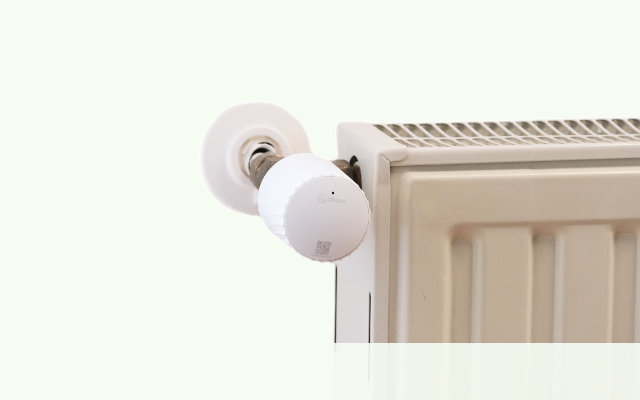
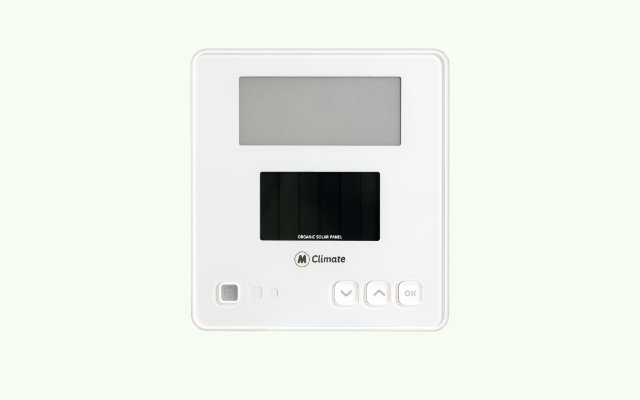
For building operators, this principle emphasises that reducing energy demand takes precedence over simply switching to a different form of generation. Before planning a larger heating system, for example, one should assess how heat demand can be reduced through efficient control systems, demand-based heating and structural measures. Smart heating control and energy monitoring directly support this principle, as they reduce consumption without the need for additional generation. For existing buildings, ‘efficiency first’ therefore means making optimal use of the existing technology before investing in new systems.
Related terms
Sources and further information
- Betterspace: Regulatorik, ESG und Resilienz für Betreiber
- Betterspace: better.energy im Überblick
- Bundesstelle für Energieeffizienz (BfEE): Neufassung der Energieeffizienzrichtlinie
- BBSR, GEG-Infoportal: Europäische Energieeffizienz-Richtlinie (EED)