




















Decarbonisation refers to the gradual reduction of carbon dioxide and other greenhouse gases, which are produced primarily by the combustion of fossil fuels such as coal, oil and gas. The aim is to achieve an economy and a building stock that, on balance, no longer emit greenhouse gases. For businesses and building operators, decarbonisation involves two key measures: firstly, reducing energy consumption; and secondly, increasingly meeting the remaining demand from renewable energy sources.
What is decarbonisation?
The term is derived from the Latin word ‘carbo’, meaning coal, and literally refers to moving away from carbon. In common usage, it now encompasses all greenhouse gases, which are summarised in terms of CO₂ equivalents. Politically, the goal is clearly set: the Federal Climate Protection Act commits Germany to becoming greenhouse gas-neutral by 2045, whilst the EU is aiming for climate neutrality by 2050.
Greenhouse gas neutrality does not mean that no emissions are produced at all, but rather that remaining emissions are offset by natural or technical sinks. A sink absorbs CO₂ from the atmosphere and stores it. Natural sinks include forests, peatlands and soils, which sequester carbon as they grow. Unlike mere offsetting via allowances, decarbonisation tackles the problem at source, that is, where the emissions are generated.
How can we decarbonise buildings?
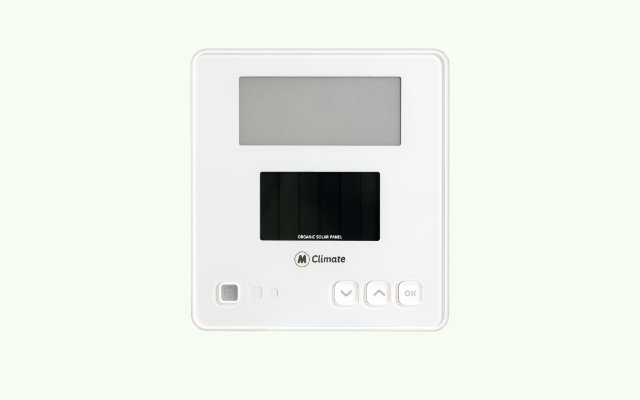
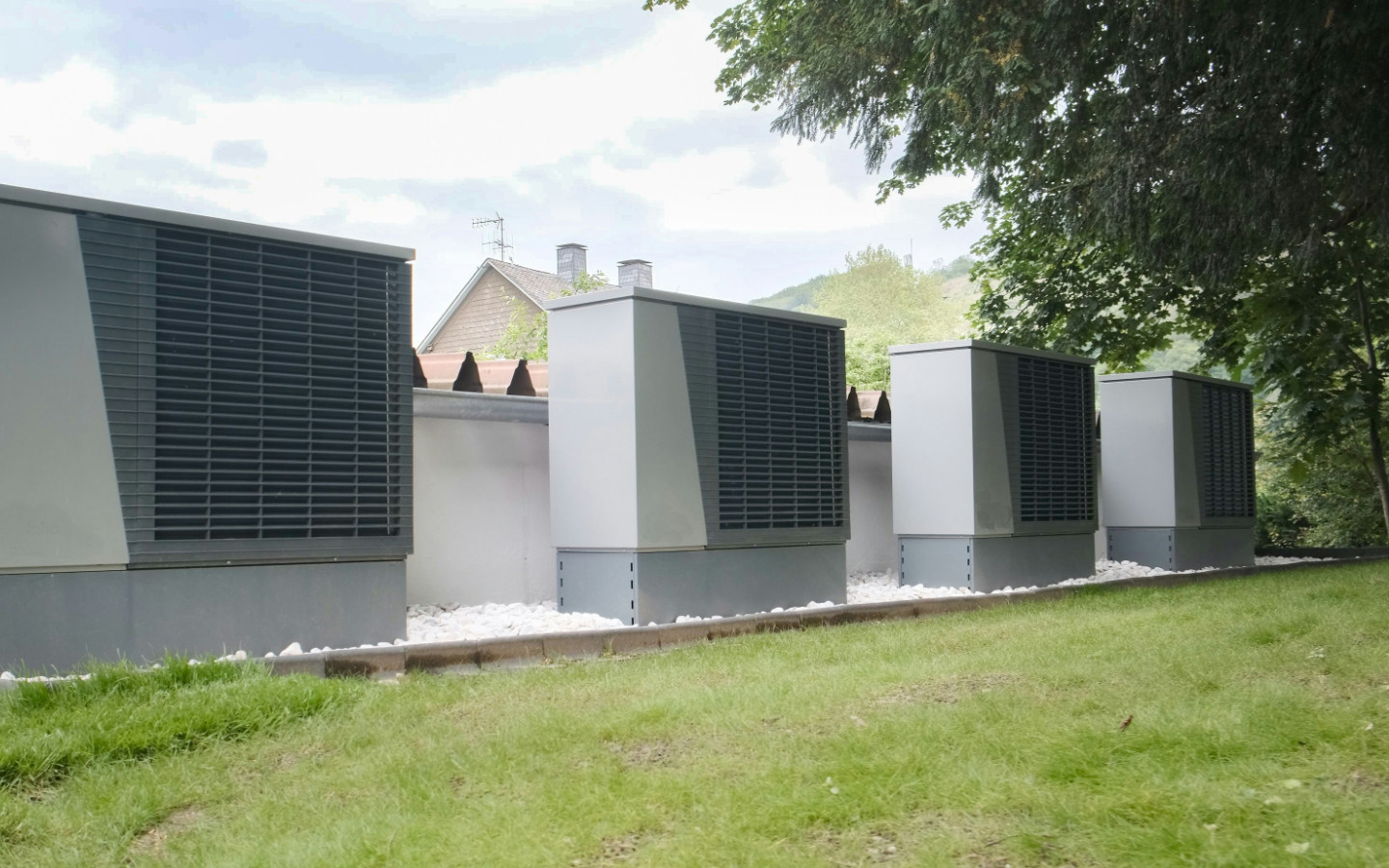
In the building sector, most emissions arise from heating and hot water production. A clear sequence of steps has proven effective. First, demand is reduced: through demand-based heating control, hydraulic balancing, adjusted flow temperatures and, where economically viable, measures relating to the building envelope. Next, the heat generation system is converted, for example to heat pumps or climate-friendly district heating.
This sequence is not merely a matter of principle. Reduced heat demand allows for smaller and more cost-effective heat generators, and heat pumps operate more efficiently when lower flow temperatures are sufficient. For accounting purposes, the Greenhouse Gas Protocol distinguishes between three categories:
- Scope 1 covers direct emissions, such as those from the building’s own gas boiler
- Scope 2 covers purchased energy such as electricity and district heating
- Scope 3 covers all other emissions along the value chain.
Why is decarbonisation economically relevant for property managers?
Decarbonisation is no longer merely a matter of climate protection. The carbon price on heating oil and natural gas is making fossil fuel-based heating more expensive, and the European emissions trading scheme for buildings and transport has established yet another pricing mechanism. At the same time, energy-inefficient properties are losing value, an effect known as the ‘brown discount’. Investors, banks and large tenants are increasingly asking for transparent emissions data.
Those who know their consumption figures precisely can prioritise measures, apply for grants in a targeted manner and demonstrate progress. Energy monitoring provides the data foundation for this, whilst a decarbonisation pathway serves as the benchmark against which progress can be measured.
Related terms
Sources and further information
- Betterspace: Regulatorik, ESG und Resilienz für Betreiber
- Betterspace: better.energy modules for saving energy
- Bundesministerium der Justiz: Bundes-Klimaschutzgesetz (KSG)
- Umweltbundesamt: Treibhausgasemissionen in Deutschland
- Greenhouse Gas Protocol: Corporate Standard