














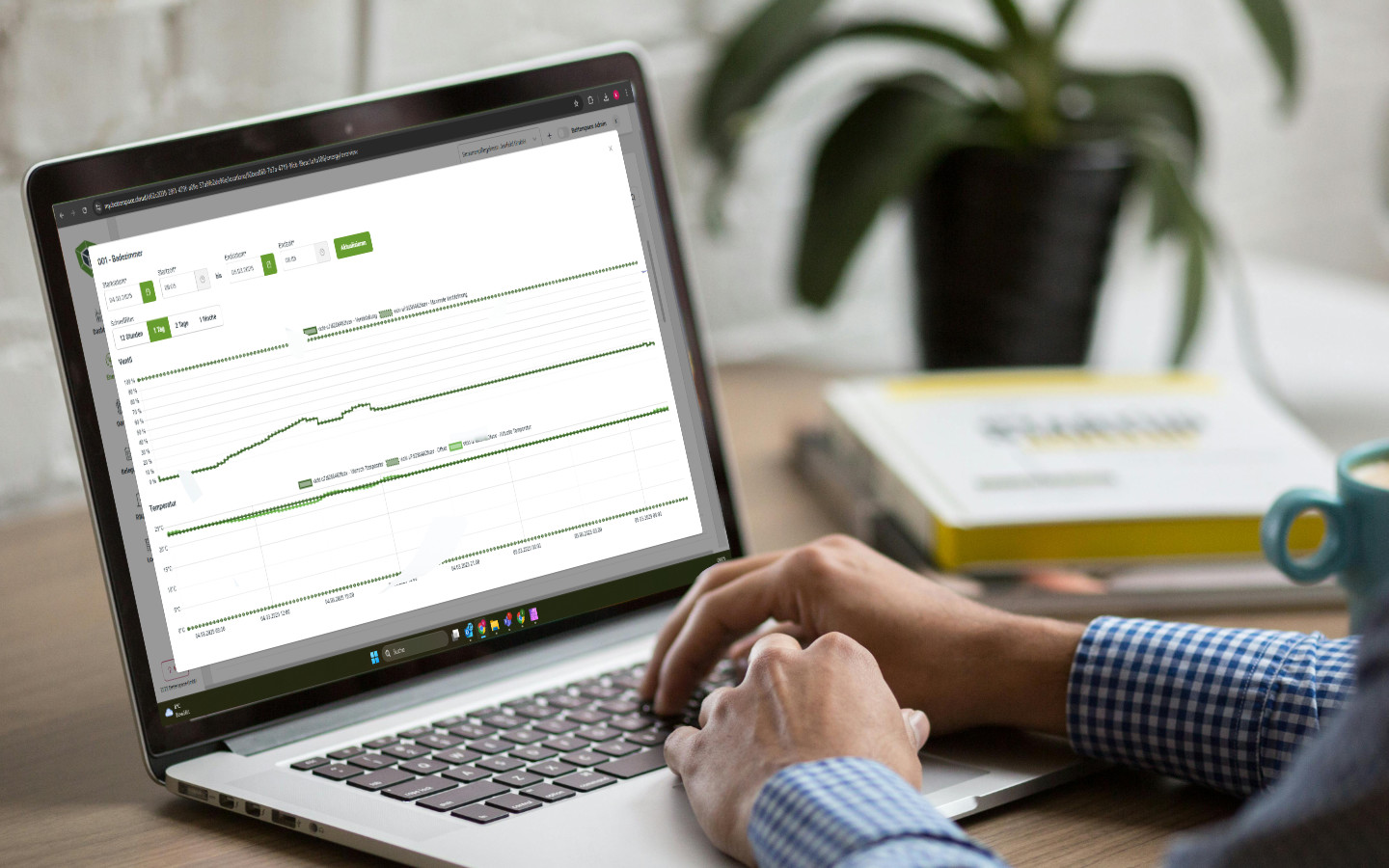
- I&C engeneering optimises energy flows, reduces costs and increases efficiency
- Wide range of applications: Building automation, industry, energy management
- better.energy as an IoT extension, automates control & energy consumption
- Wired vs. wireless: reliability vs. flexibility for retrofitting
- Modern communication: LoRaWAN, Zigbee, WLAN & KNX for smart networking
- Hybrid solutions combine the advantages of both systems for maximum efficiency
Measurement and control technology
The terms instrumentation and control technology, or I&C engenieering, crop up time and again when it comes to building automation and the efficient use of energy in non-residential buildings. But what exactly is it all about? And why should you, as the operator of a hospital, care home, hotel or educational establishment, be interested in it?
The answer is simple: measurement and control technology optimises your energy flows, reduces costs and protects the environment. In this article, we get to the bottom of the matter and explain in detail what I&C engeneering is all about, what it has to do with building automation and energy management and why it is important for the energy-efficient operation of non-residential buildings.
| The functions of measurement and control technology at a glance | Where is measurement and control technology used? |
|---|---|
| + Automatic monitoring, control and optimisation of processes according to predefined settings and processes + Networking of actuators, sensors, consumers, generators and control elements + Improving energy efficiency and reducing energy consumption + Simplifying the operation and maintenance of technical systems | + Building automation (heating, ventilation, air conditioning systems) + Industrial automation + Energy management + Intelligent buildings/smart buildings + Monitoring & smart metering |
Measurement and control technology is playing an increasingly important role in the digitalisation of building technology and makes a significant contribution to increasing energy efficiency. By adapting energy consumption to actual demand, operating costs can be reduced and comfort for building users improved. This is reflected in satisfied residents in care homes, productive learning environments in educational institutions and a pleasant working atmosphere in offices.
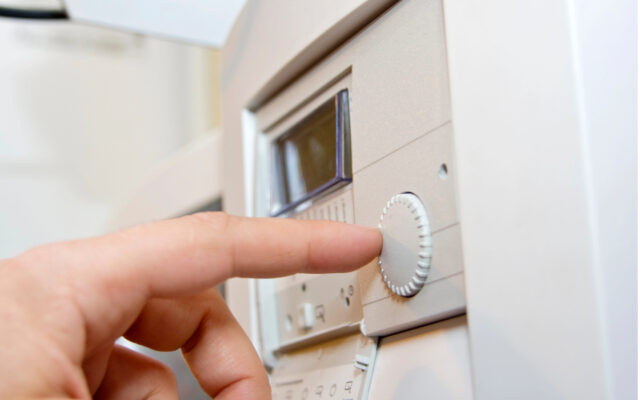
I&C technology and building automation: the perfect interplay
Measurement and control technology is a central component of building automation. While measurement and control technology comprises the individual processes of measuring, controlling and regulating, building automation goes one step further: it networks all technical systems and ensures intelligent, higher-level management.
- Measurement and control technology forms the basis for the automation of technical processes.
- Building automation integrates various measurement and control technology components and networks them with centralised control systems.
- Intelligent building automation uses measurement and control technology to increase energy efficiency and minimise operating costs.
Measurement and control technology as the key to smart energy management
Measurement and control technology plays a key role in the energy management of non-residential buildings. It ensures that energy is not wasted but utilised optimally. Measurement and control technology performs the following tasks:
- Data acquisition: Sensors continuously collect information on energy consumption, temperature, air quality, etc.
- Analysing and controlling: The data collected is used to precisely control heating, ventilation and air conditioning systems
- Optimisation: Automatic control loops ensure that energy is always consumed where it is actually needed – and as efficiently as possible
The components of measurement and control technology explained
| Measurement and control technology component | Function |
|---|---|
| Sensors | Sensors are the “eyes and ears” of measurement and control technology. They measure physical variables such as temperature, humidity, air quality or energy consumption. This data serves as the basis for all further control and regulation processes. |
| Actuators | Actuators are devices that become active on the basis of the measured values. They implement control commands, for example by opening or closing valves, starting up pumps or switching off heaters. They are therefore the “hands” of the Measurement and control technology. |
| Control loops | Control loops ensure continuous optimisation of the systems. They compare the actual state with the desired target state and adapt the control system accordingly. For example, a room temperature is kept constant by regulating the heating output as required. |
| Control systems | Control systems are the “brains” of I&C technology. They process the measured values recorded, analyse them and pass on control commands to the actuators. This can be done via centralised software solutions or automation stations. |
| Transmission technology | The transmission technology enables the data, i.e. measured values and commands, to be reliably exchanged between the actuators, sensors and control systems. It is therefore the means of communication for the I&C technology. |
The transmission technology: wired vs. wireless measurement and control technology
The main difference between wired and wireless I&C technology lies in the type of data transmission and the flexibility of the installation. Wireless measurement and control technology offers considerable advantages, especially for retrofitting, flexible room utilisation and areas that are difficult to access:
- Maximum flexibility in the installation and placement of components
- Easy to expand and adapt to changing requirements
- Reduced cabling effort, which saves costs and effort
- Faster integration into existing buildings without structural interventions
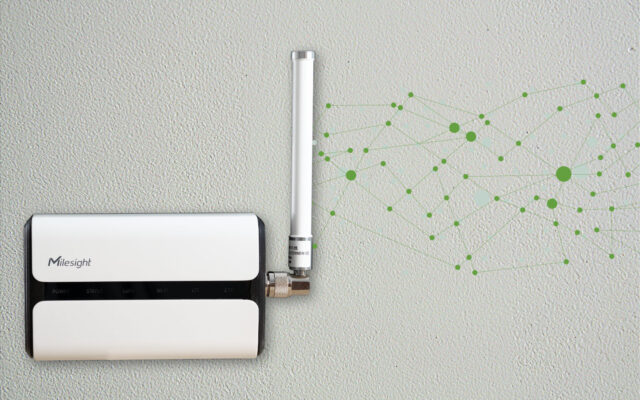
- Ideal for IoT applications, as modern wireless standards enable efficient networking
| Technology | Type | Advantages | Disadvantages | Application |
|---|---|---|---|---|
| KNX | Wired | Widely used standard for building automation, high reliability | High installation effort, cost-intensive | Control of heating, lighting and ventilation in large buildings |
| BACnet | Wired | Open protocol for networked buildings, ideal for large systems | Complex and cumbersome integration, requires a lot of expertise | Comprehensive control of HVAC systems in commercial properties |
| Modbus | Wired | Simple and robust, good for industrial applications | Limited functionality for modern IoT applications | Industrial process automation |
| Bluetooth Low Energy (BLE) | Wireless | Energy-efficient, with a range of around 50 metres | Short range, depending on obstacles | Local sensor connection in buildings |
| WLAN | Wireless | High bandwidth for complex systems, requires existing network infrastructure | Higher energy consumption, security risks | Real-time data transmission and building automation |
| Zigbee | Wireless | Especially for building automation, enables mesh networks | Limited range, requires gateways | Smart light and temperature control |
| EnOcean | Wireless | Battery-free wireless technology with energy harvesting, range of up to 30 metres in buildings | Limited signal range | Sustainable sensor applications for lighting and indoor climate control |
| LoRaWAN | Wireless | Long range and building penetration, ideal for large-scale applications, cost-effective and secure | Low data rate | Control of temperatures and light, long-distance monitoring of energy consumption and environmental parameters |
Which is the better choice – wired or wireless measurement and control technology?
The choice between wired and wireless I&C technology depends on the requirements of the project and the needs of the building users and operators:
- Wired systems can be advantageous for new buildings or extensive renovations where cabling can be easily implemented. However, they are increasingly associated with very high costs.
- Wireless systems are particularly suitable for retrofitting existing buildings, flexible room utilisation or areas that are difficult to access. They are easily scalable and require little start-up capital.
- For critical applications with high latency requirements , wired solutions are often the better choice.
- In terms of security and data protection, both wired and wireless measurement and control technology offer reliable solutions depending on the connection technology used, with LoRaWAN and KNX scoring particularly highly here.
- Wireless systems offer advantages in terms of energy efficiency and can reduce the cost of conversion work by up to 80 %.

better.energy: The smart I&C extension
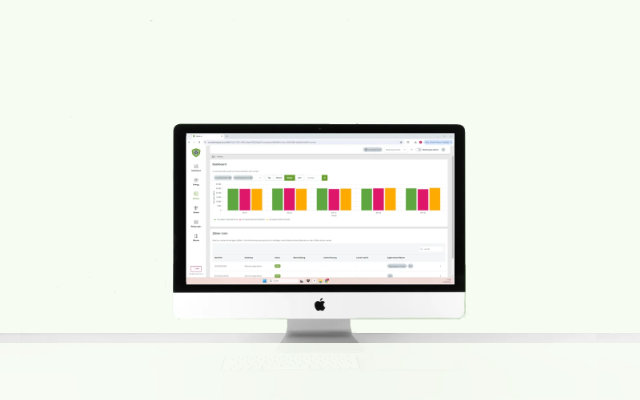
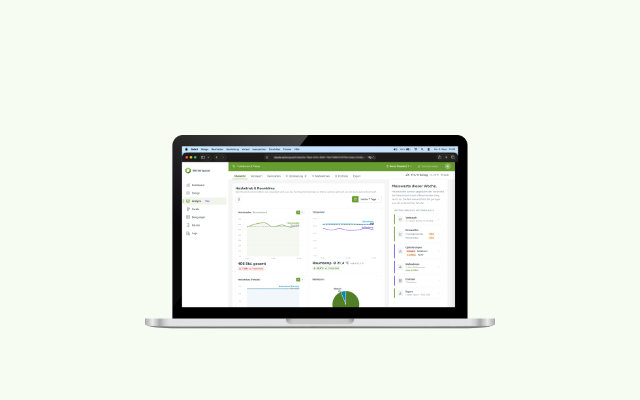
better.energy from Betterspace is a smart energy management platform that has been specially developed for non-residential buildings such as hotels, hospitals, schools and office buildings. It offers functions for the central control and optimisation of energy consumption, especially for heating and cooling systems. The platform is used for:
- Centralised management of locations, rooms, devices and user roles.
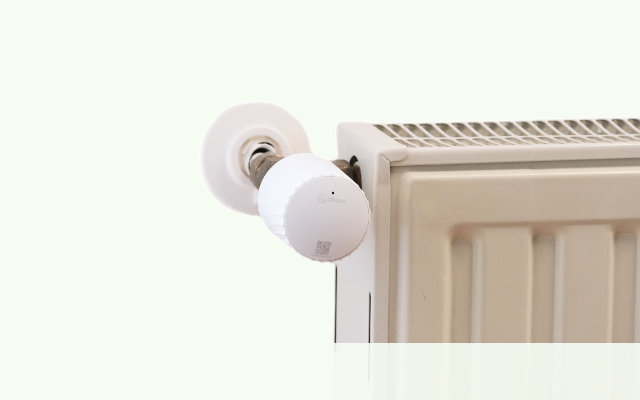
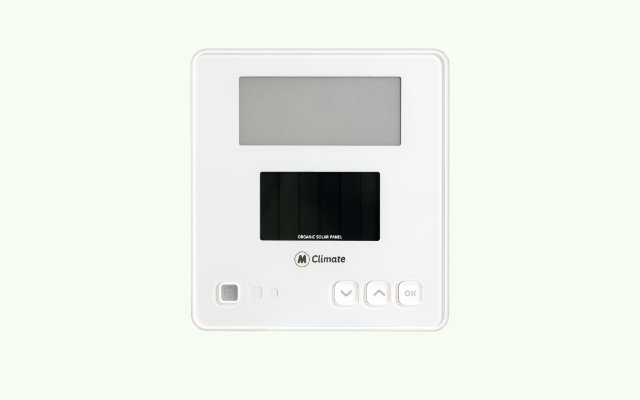
- Integration of smart devices such as radiator thermostats, sensors and actuators.
- Digital heat consumption measurement and monitoring using technologies such as LoRaWAN.
better.energy & measurement and control technology: a strong connection
better.energy has a clear connection to I&C technology, as it is based on the integration and control of smart devices. The platform enables:
- Automated control of heating and cooling based on occupancy data or schedules.
- Utilisation of sensors and actuators for precise control of energy flows.
- Scalability for controlling multiple locations or complex building structures.
better.energy combines classic I&C technology with modern IoT technologies to increase energy efficiency and reduce operating costs. This makes it particularly relevant for the digitalisation of existing buildings and the implementation of energy-efficient solutions.
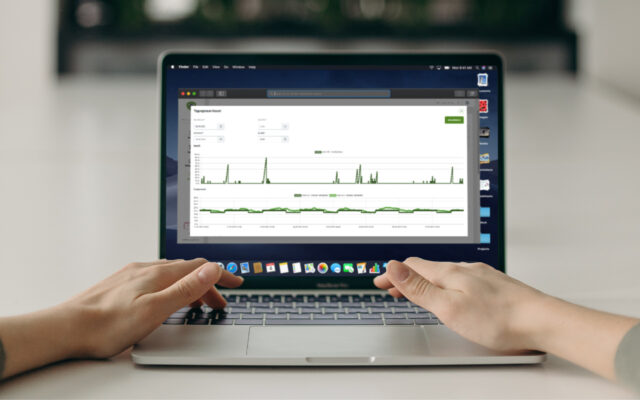
Conclusion: I&C technology and better.energy – an unbeatable combination
With professional MCR technology, you can take your building to the next level. Smart control ensures that energy is not wasted but used in a targeted manner. In conjunction with better.energy, you can utilise even greater savings potential and operate your building more sustainably and efficiently.
Now is the right time to make your energy management smarter! We would be happy to help you. Why not book a free consultation right away? Our energy experts will help you and advise you with no obligation and no pressure!
Secure your non-binding appointment:
Further information and sources:
- Zukunftsmagazin – LoRaWAN – A network for transmitting data from sensor technology
- WIK Scientific Institute for Infrastructure and Communication Services – Increasing energy efficiency in public properties
- TGA Fachplaner – Saving energy with energy harvesting
- Manfred Broy & Otto Spaniol (Eds.) – Computer science and communication technology 2nd edition
- Betterspace – better.energy the intelligent energy management platform