



















A rule engine is a software component that automatically makes decisions and triggers actions based on defined if-then rules. It operates without manual intervention and reliably repeats the same logic whenever the stored conditions are met. In building control systems, it translates specifications such as a night-time temperature reduction into specific control commands for the heating system.
What is a rule engine?
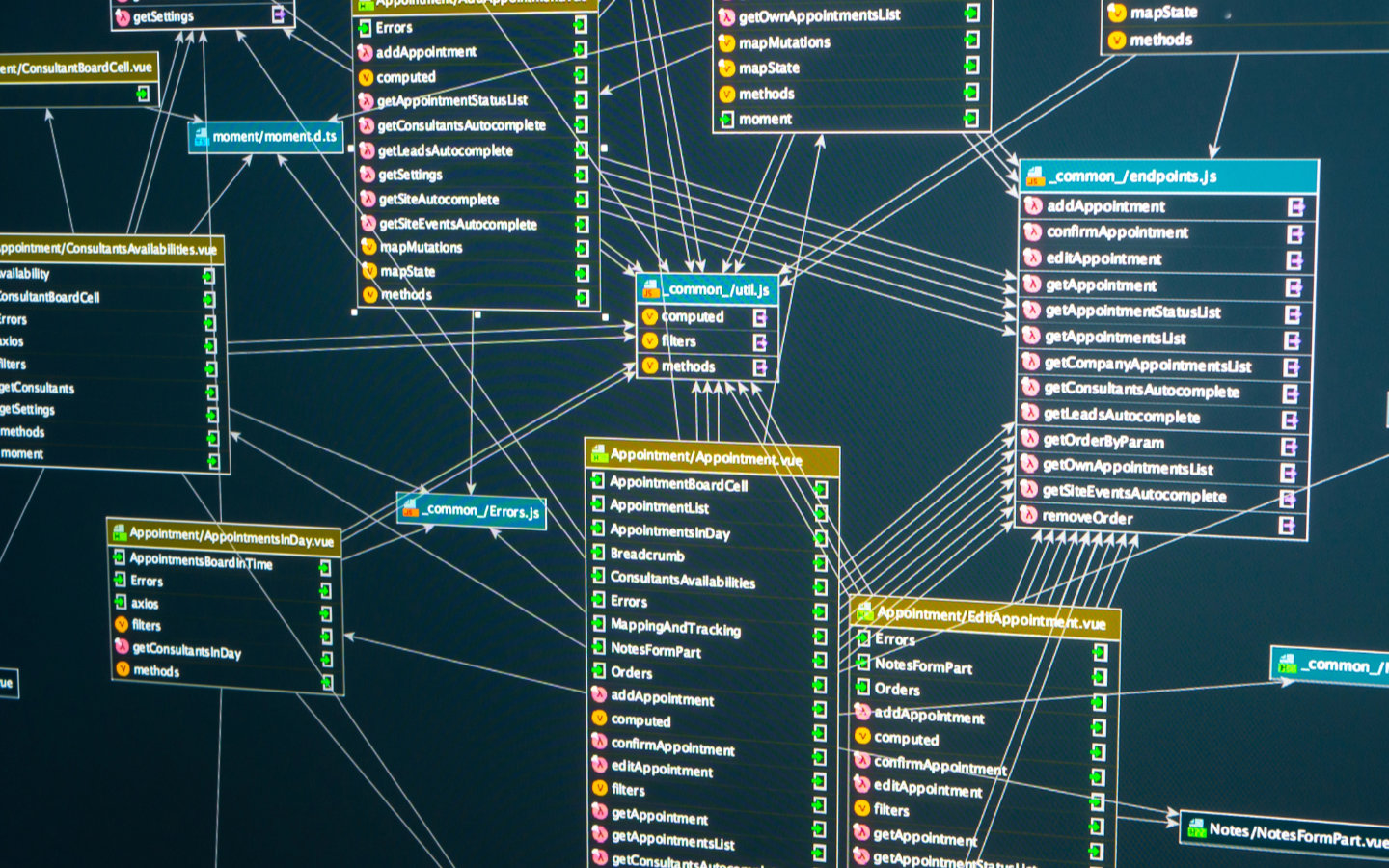
A rules engine is the part of a software programme that evaluates stored rules and acts upon them. The rules follow this pattern: if a condition is met, then carry out a specific action. The advantage over hard-coded logic is that the rules can be adapted without modifying the software itself. This allows operators to tailor the system’s behaviour to their requirements.
How does a rule engine work in building control systems?
In building management, the control engine processes input values such as temperature, occupancy, window status or time. If a defined condition is met, it automatically activates the heating or cooling system by controlling an actuator. Individual rules can be combined into rule sets tailored to different types of building. For example, a hotel uses occupancy-based rules, whilst a school sets fixed occupancy times and a hospital tends to use profiles based on the time of day.
What is an example of a rule?
A typical example is the night-time temperature reduction: if it is past a defined time and the room is unoccupied, the setpoint temperature should be lowered to a lower value. Other examples include reducing the temperature when a window is open, preheating before the usual hours of use, or adhering to fixed temperature limits. Such rules are triggered very frequently in practice, which demonstrates just how actively a rules engine influences operation. The real benefit lies in the interplay of many such rules: they operate round the clock, react immediately to changing conditions and function reliably even when no staff are on site. Instead of manually adjusting individual rooms, the operator sets up the desired logic once and adapts it as required, without having to intervene in the software itself.
Related terms
Sources and further information
- Betterspace: Messstudien belegen die Wirkung von better.energy
- Wikipedia: Business rules engine