



















Predictive maintenance is a maintenance strategy in which maintenance measures are planned on the basis of a forecast of the future condition of the plant. Sensors continuously record condition data such as temperature, vibration, pressure, or current consumption, whilst analysis methods use this data to detect wear or impending faults. The aim is to service or replace a component before it fails, but not earlier than necessary.
What is predictive maintenance?
Maintenance is the umbrella term for all measures that keep a piece of plant in working order or restore it to working order. The DIN 31051 standard divides these into four basic measures: maintenance, inspection, repair, and improvement. The relevant technical terminology is defined by the European standard DIN EN 13306.
Predictive maintenance is not a fifth measure but rather a strategy that determines when these measures take place. Instead of acting according to a fixed schedule or only after a failure has occurred, it bases the timing on a prediction. In practice, this requires continuous condition monitoring, sufficiently long data series with documented incidents from which a model can learn, and an organisational process that actually translates a warning into a maintenance order.
How does predictive maintenance differ from other maintenance strategies?
A distinction is usually made between four strategies, which differ in terms of what triggers the timing of an intervention:
| Strategy | Trigger | Typical outcome |
| Reactive maintenance | Failure or malfunction | Minimal planning effort, but unplanned downtime |
| Preventive maintenance | Fixed schedule or operating hours | Predictable, but components are sometimes replaced too early |
| Condition-based maintenance | Measured current condition reaches a threshold | Action taken as required, based on continuous monitoring |
| Predictive maintenance | Forecast of future condition | Action taken before failure, requires historical data and an analysis model |
The distinction between condition-based and predictive maintenance is important in practice. A warning that a battery is almost flat is based on its current condition. A prediction of when a pump is likely to fail is based on a model. Many solutions marketed as ‘predictive maintenance’ are actually condition-based, which does not diminish their value but can lead to unrealistic expectations.
Where is predictive maintenance worthwhile in buildings?
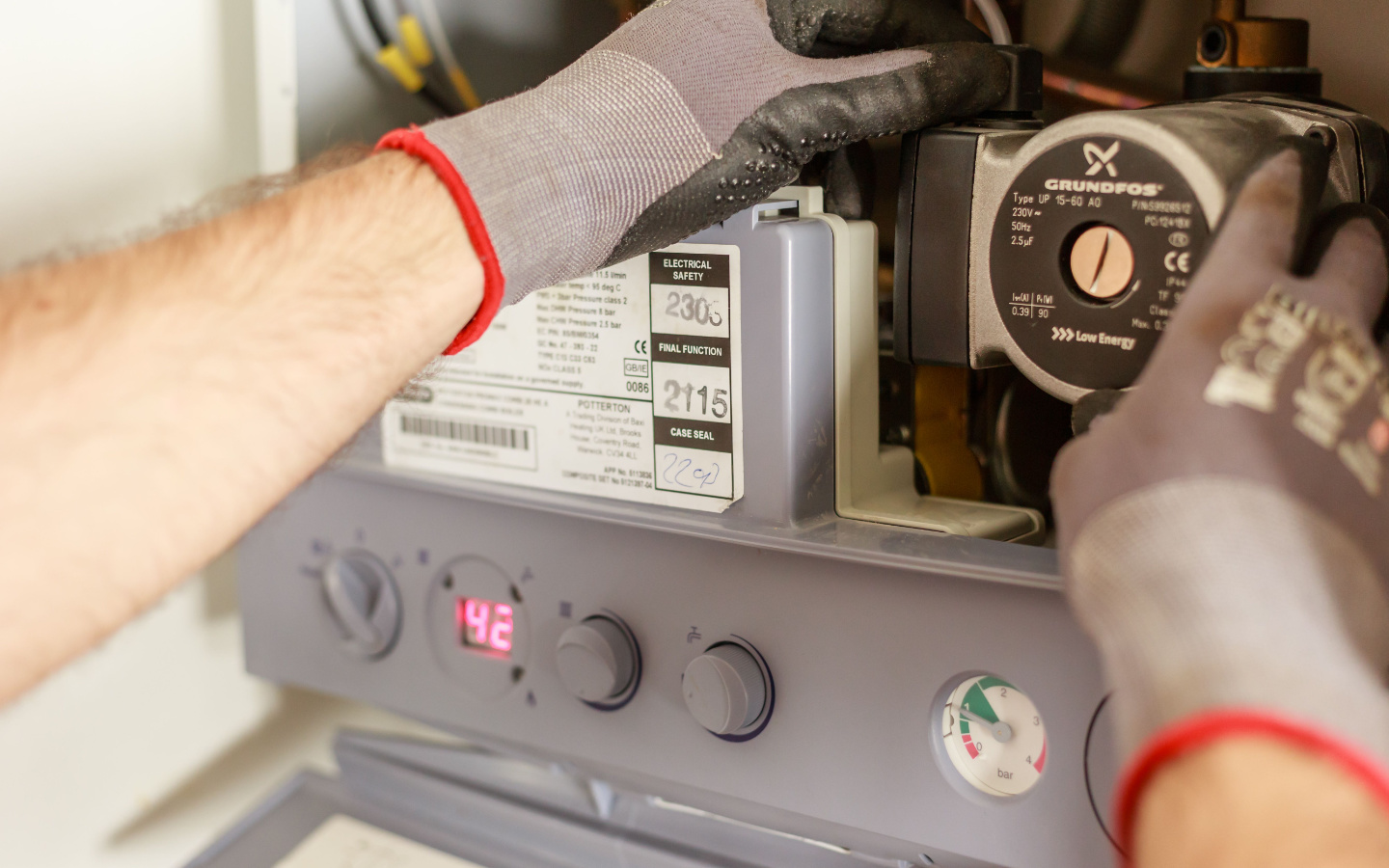
In building operations, predictive maintenance is particularly suitable for systems where a breakdown would be costly or critical. These include circulation pumps, fans in ventilation systems, chillers, heat generators and lifts. In a hospital or care home, a heating failure in winter can directly affect the care of residents, making an early warning all the more valuable.
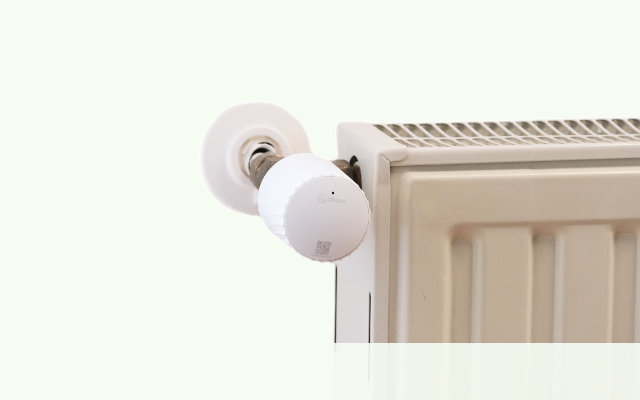
For inexpensive, easily replaceable components, a preventative or condition-based strategy is often more cost-effective, as the effort involved in data collection and modelling outweighs the benefits. In the case of radio-based radiator controls, monitoring the battery level and radio connection of the thermostats forms part of condition-based maintenance on a small scale. The basis of each of these strategies is a network of sensors and a platform that reliably collects and analyses the measured values.
Related terms
Sources and further information
- Betterspace: better.energy radiator control
- DIN: DIN EN 13306 Instandhaltung: Begriffe der Instandhaltung
- DIN Media: DIN 31051 Grundlagen der Instandhaltung
- Verein Deutscher Ingenieure: VDI 2888 Zustandsorientierte Instandhaltung