
















The term ‘heating modernisation’ refers to all measures that make an existing heating system more energy-efficient, more environmentally friendly and more cost-effective. The term encompasses much more than simply replacing the heating system. It ranges from replacing the heat generator through improvements to heat distribution to smart control systems that regulate when and how much heating is provided. Making better use of a functioning system is also considered modernisation, as it reduces consumption during operation without the need to replace components. This broad interpretation is particularly important in non-residential buildings such as hotels, care homes, schools and administrative buildings, as significant savings can often be achieved here with minor interventions.
What measures are involved in heating modernisation?
It makes sense to distinguish between three levels, which differ significantly in terms of cost and the extent of work involved.
The first level is the heat generator – in other words, the system that produces the heat. This includes replacing an old oil or gas heating system with a heat pump, connecting to district heating, or opting for a hybrid solution. This is the most expensive option and the one requiring the most extensive building work.
The second level is heat distribution – in other words, the path the heat takes from the generator to the room. This includes hydraulic balancing, insulating pipework, replacing inefficient circulation pumps and, in some cases, replacing radiators.
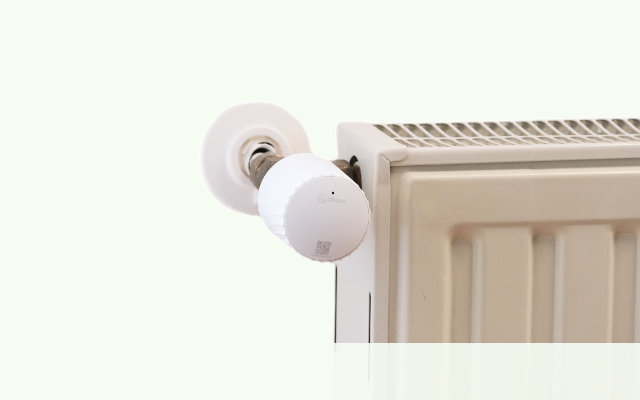
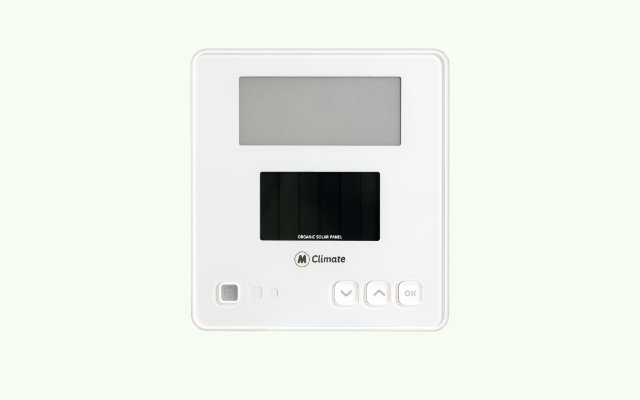
The third level is control and regulation – in other words, determining when and how much heating is required. This includes programmable or smart thermostats, individual room control, and time- and occupancy-based heating. This level is the least invasive, as the existing heat generator remains unaffected.
Why is it a good idea to modernise your heating system?
The greatest potential for action lies in the buildings themselves: building use accounts for a significant proportion of final energy consumption in Germany, and in non-residential buildings, space heating is the single largest item of expenditure (Federal Environment Agency). Reducing consumption, therefore, not only lowers energy bills but also cuts CO₂ emissions. Added to this is the cost pressure resulting from the rising price of CO₂ in the national emissions trading scheme, which will further increase the running costs of buildings heated with fossil fuels in the coming years. Modernisation therefore has a dual effect: it immediately reduces current consumption and lowers the risk of future increases in levies. Postponing such measures does not save money; it merely prolongs the period during which excessive amounts are paid for energy.
What are the legal requirements for heating modernisation in Germany?
Since 2026, the framework has been set by the Building Modernisation Act (GModG), which replaces the previous Building Energy Act (GEG). The Bundestag and Bundesrat passed it on 10 July 2026; its publication in the Federal Law Gazette and its phased entry into force are expected in late July or early August 2026. The GModG places greater emphasis on technological neutrality and largely leaves the choice of heating system to the owners; the fixed requirement to use 65 per cent renewable energy when replacing a heating system has been removed. Efficiency and automation requirements also arise from the Energy Efficiency Act (EnEfG) and the European provisions of the Energy Performance of Buildings Directive (EPBD). For individual efficiency measures, the Federal Funding Scheme for Efficient Buildings (BEG) applies, the terms of which were amended in July 2026. As these regulations are currently evolving rapidly, the exact status should be checked before making any binding statements.
What role does a smart control system play in heating modernisation?
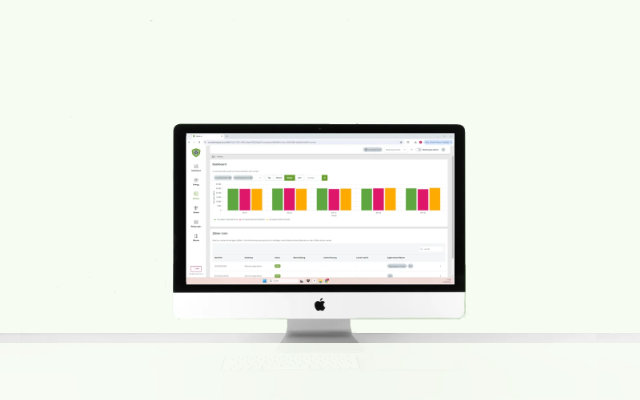
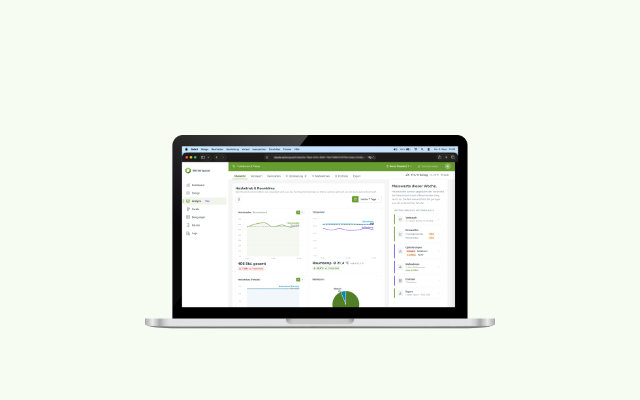
Smart control offers the best balance between cost and benefit. It requires no structural alterations, can be implemented whilst the building is in operation, and is generally eligible for funding as a standalone measure. At better.energy, existing thermostats are replaced with radio-controlled models based on the LoRaWAN standard. The software lowers the temperature in unoccupied rooms, detects open windows via window contacts and adjusts the heating to match actual occupancy. Depending on the building and sector, the reduction in consumption typically ranges between 15 and 25 per cent in practice. For operators wishing to achieve results quickly and without a major capital outlay, this level is therefore usually the sensible first step before moving on to more expensive measures involving the heat generator.
Related terms
Sources and further information
- Betterspace: MSR-Technik und wie sie Energie spart
- Betterspace: better.energy radiator control
- Umweltbundesamt: Energieverbrauch für Gebäude
- Bundesregierung: Neues Gebäudemodernisierungsgesetz