










- Environmental certifications are a sign of your commitment to sustainability, efficiency and responsibility.
- Green building certification systems assess sustainability, energy efficiency and environmental friendliness.
- Well-known environmental certifications include BREEAM, DGNB and LEED
- The certification process varies depending on the certification system and building type.
Why environmental certifications?
Imagine your hospital, care home or hotel could not only be a place of well-being for people, but also for our environment. Sounds too good to be true? With environmental certifications, this becomes a reality. They are more than just a seal on paper – they are a sign of your commitment to sustainability, efficiency and responsibility. Let’s delve into the world of environmental certifications together and find out how you can make your non-residential building future-proof.
What are green building certification schemes?
Green building certification systems are like school reports for buildings – except they don’t assess maths and German, but sustainability, energy efficiency and environmental friendliness. They check how environmentally friendly a building is planned, constructed and operated. They look at aspects such as energy consumption, water consumption, building materials and much more.
These systems not only help to minimise the ecological footprint of a building, but also increase the property value, improve the attractiveness for tenants and users and can even reduce costs
The big three: BREEAM, DGNB and LEED
When it comes to environmental certifications, BREEAM, DGNB and LEED are the big names you should know. Each of these standards has its own focus and strengths. Let’s take a closer look at them:
| Certification | Origin | Special feature | Assessment criteria | Points awarded | Why choose? |
|---|---|---|---|---|---|
| BREEAM | Great Britain | One of the oldest and most most widely used Standards | Energy efficiency, health and well innovation, materials, water, waste management and much much more | Scale from “Pass” to “Outstanding” | Flexible and versatile, suitable for different types of buildings such as schools, Hotels and Hospitals |
| DGNB | Germany | Holistic approach that takes ecological, economic and socio-cultural aspects into account | Energy and Resource efficiency, life cycle costs, interior quality, technical Quality, Site quality | Bronze, Silver, Gold, Platinum | Good for considering the the entire service life of a building and user satisfaction |
| LEED | USA | Internationally recognised, strongly focussed on energy efficiency | Sustainable Sites, Water consumption, energy and atmosphere, materials and Resources, Interior quality | Certified, silver, gold or platinum Platinum | Ideal for international projects and innovative technologies such as renewable Energies and Water-reduction systems |
In-depth insights into the certification systems for non-residential buildings
BREEAM: In addition to the standardised assessment criteria, BREEAM places particular emphasis on adaptability to local conditions and legislation. It supports
integration of local building materials, for example, which not only lowers transport costs but also reduces CO₂ emissions. BREEAM also promotes innovative approaches, such as the reuse of water or the use of renewable energies, through bonus systems.
GNB: The DGNB system not only considers environmental aspects, but also social and economic factors in equal measure. This holistic perspective makes it particularly attractive for public organisations that value added social value. DGNB also evaluates the flexibility of buildings, for example whether they can be easily adapted for new types of use – a decisive advantage in changing markets.
LEED: LEED has a particularly strong focus on innovation and climate protection. Projects that demonstrably pursue CO2-neutral or climate-positive approaches receive additional recognition. The commitment to the health of building users, such as the reduction of pollutants in indoor air, is also comprehensively promoted with LEED. This creates direct added value for everyday use.
Other certification systems in the DACH region
In German-speaking countries, in addition to the international heavyweights such as BREEAM, DGNB and LEED, there are a number of other certification systems that cater to regional characteristics and specific requirements:
| Certification system | Origin | Special feature | Why choose? |
|---|---|---|---|
| ÖGNI | Austria | Partner of the DGNB system with Adaptations to Austrian Conditions | ldeal for projects in Austria with a local focus and high sustainability standards. |
| Minergie | Switzerland | Focus on energy efficiency and Comfort. Categories such as Minergie-P (passive house) and MinergieA (self-sufficiency) | Perfect for buildings in Switzerland, that strive for maximum energy efficiency and climate neutrality. |
| ClimateHouse | South Tyrol | Sustainability assessment with With a focus on energy efficiency and living quality | Attractive for projects in South Tyrol and and neighbouring regions with a strong Focus on local requirements. |
| GreenSign | Germany | Specially developed for the hotel industry; assessment of environmental management, regionality and social aspects | Ideal for hotels that want to establish sustainability as part of their brand image and appeal to environmentally conscious guests |
These systems are valuable additions and alternatives to the established international standards. They offer customised solutions for specific markets and target groups, such as the Swiss market (Minergie) or the hotel industry (GreenSign).
Typical certification process
The certification process begins with preparation and objective setting. The specific objectives of the project are defined and a suitable certification system is selected. Expert advice is often sought in order to better understand the requirements of the chosen system and to plan the next steps.
A thorough analysis of the building is carried out during the inventory . This includes energy consumption, choice of materials and site conditions. This phase serves to identify strengths and weaknesses with regard to the certification criteria and to determine the need for action.
Planning and implementation is the central step in which concrete measures are developed and implemented in order to fulfil the certification requirements. This is often done in collaboration with an interdisciplinary team of architects, engineers and operators who integrate sustainable practices into construction or operational processes.
An important aspect is verification and documentation. All relevant documents, such as construction plans, calculations and material lists, are collected and properly documented. This documentation forms the basis for assessment by auditors.

Audits and inspections are carried out after completion of the construction or implementation phase. Certified auditors check the evidence submitted and the implementation on site. Depending on the
depending on the certification system, these audits can take place in several phases.
If the audit is successful, the environmental certification is awarded. Many systems require regular follow-up and recertification to ensure long-term sustainability and promote continuous improvement.
This process is flexible and varies depending on the certification system and building type. Early involvement of experts and careful planning are crucial for success.
The benefits of environmental certification
Environmental certification is not just an image booster, it also brings tangible benefits for you and your company:
1. Cost reduction
- Lower energy and water consumption
- More efficient operating costs
- Optimised building technologies and sustainable resource planning can lead to considerable savings in the long term. Studies show that certified buildings generate up to 30% lower operating costs than conventional buildings
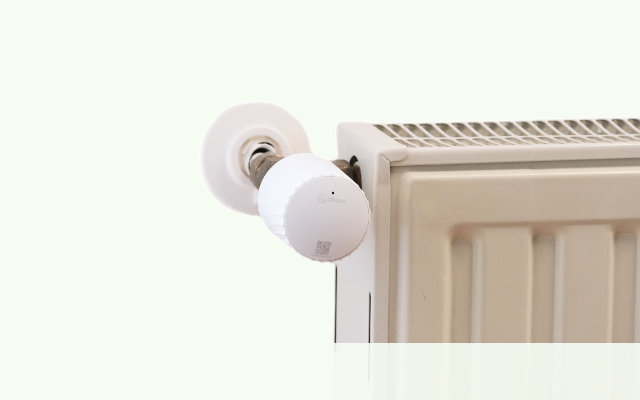
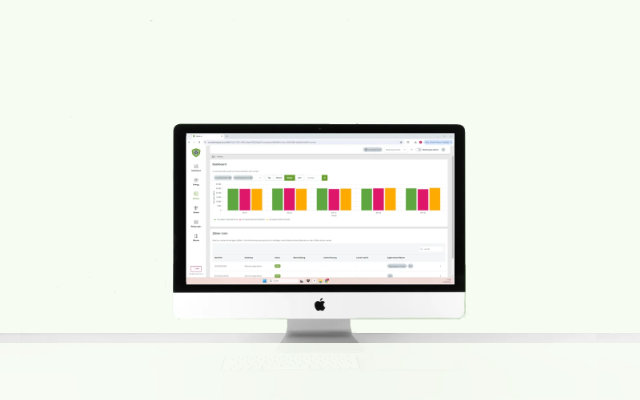
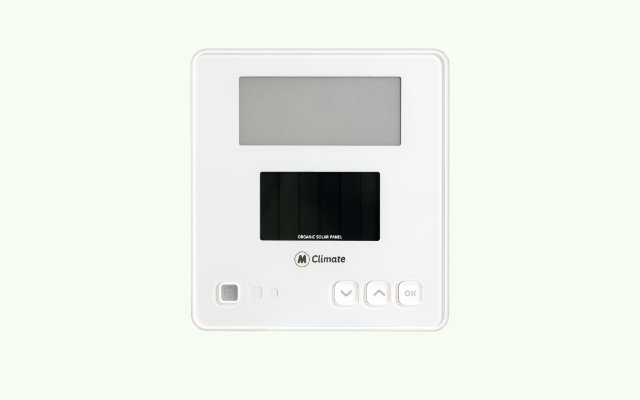
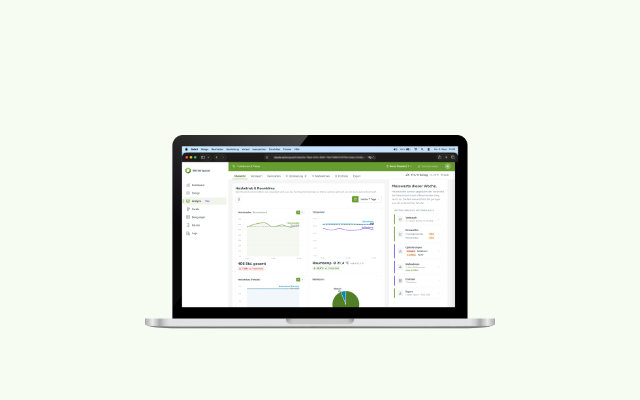
- The implementation of an intelligent energy management system such as better.energy alone saves between 20 – 35 % of heating energy
2. Better image
- You are perceived as a pioneer in the field of sustainability
- Increased attractiveness for tenants, guests or patients
- Environmental certifications signal a sense of responsibility that is particularly appreciated by modern customers, investors and partners.
3. Future security
- Higher property value
- Better preparation for legal requirements
- Sustainable buildings are more resistant to market changes and legal requirements. They offer investment security and increase resale opportunities.
4. Well-being of the users
- Healthier indoor climate
- Greater user satisfaction
- Certifications such as LEED and DGNB promote measures to increase comfort, including optimised use of daylight, improved acoustics and low-emission building materials. This has a positive effect on the productivity and health of users.
Tips for the certification process
The path to environmental certification can be long and complex. Here are some tips on how to successfully master it:
- Plan early: certification should be included in the planning right from the start.
- Consult experts: Engage experienced consultants who are familiar with the requirements of the respective systems.
- Teamwork: Put together an interdisciplinary team of architects, engineers and operators.
- Don’t forget the documentation: Good documentation is the be-all and end-all when it comes to scoring points.
- Think long-term: Sustainability does not end with certification. Plan your operation efficiently for the long term.

How to choose the right certification system for your non-residential building
Choosing the right certification system depends heavily on your priorities and your building type. Here are some questions you should ask yourself:
- Where is your building located? BREEAM is well established in Europe, while LEED has an international reach. DGNB is particularly suitable for German-speaking countries.
- What is important to you? Do you want to focus on cost efficiency, as offered by DGNB, or on innovative technologies, as is the case with LEED?
- What is your budget? Some systems, such as LEED, can be more cost-intensive than DGNB or BREEAM due to their comprehensive requirements.
- What requirements does your building type have? Hospitals and care homes can benefit from DGNB, while hotels and international projects often opt for LEED.
Additional tips:
- Use online tools and checklists from providers to get an initial assessment.
- Consider local laws and regulations, as these can sometimes require the choice of a specific system.
A small table to help you decide:
| Certification system | Distribution | Strengths | Weaknesses |
|---|---|---|---|
| BREEAM | Europe, international | Flexible, versatile, established | Partly complex, high documentation effort |
| DGNB | DACH region, international | Holistic, life-cycle costs, social and economic aspects Aspects | Mainly established in the German-speaking Established in German-speaking countries |
| LEED | Worldwide | Strongly focussed on energy efficiency and Innovation | Adaptation to local requirements, Partner of the DGNB system |
| ÖGNI | Austria | Adaptation to local requirements, Partner of the DGNB System | Regionally limited, requires Adaptation to specific projects |
| Minergie | Switzerland | Very high focus on energy efficiency and comfort, ideal for Passive and self-sufficient houses | Only widespread in Switzerland, strong focus on energy, less on social on social aspects |
| ClimateHouse | South Tyrol, Italy | Regionally adapted, easier Access | Limited distribution outside South Tyrol |
| GreenSign | Germany | Especially for the hotel industry, practical and practical | Primarily limited to hotels, less technically in-depth |
| WELL Building Standard | Worldwide | Focus on the health and and well-being of building users | Very specific, less comprehensive for ecological aspects |
Make your building an environmental hero!
At the end of the day, it’s not just about hanging a fancy certificate on the wall. It’s about making a difference. Imagine your hotel becoming an environmental hero, saving water, conserving energy and creating a sense of well-being for its guests at the same time. This is not only good for the environment but also for your business. So, what are you waiting for? Take the first step and let your building shine – sustainable and future-proof with environmental certification!
Want to find out more?
Further information
- Building Research Establishment: “BREEAM Overview“
- DGNB: “The DGNB System“
- U.S. Green Building Council: “What is LEED?“
- World Green Building Council: “The Benefits of Green Buildings“
- Greensign: “GreenSign certifications“