




Quick summary of the key takeaways
- Automated convenience instead of manual effort: Rooms are preheated before arrival and automatically cooled down after check-out, eliminating the need for trips and preventing oversights.
- Rules are better than gut feelings: Day/night temperature reductions, bathroom resets, and temperature limits ensure that efficiency is achieved systematically rather than by chance.
- An older building remains an older building, but the technology must be right: An additional LoRaWAN gateway was a key lesson learnt – better connectivity, more stable communication, less strain on batteries.
- Acceptance within the team is crucial: An intuitive web interface reduces the need for training and lowers the barrier to actually using the system in day-to-day hotel operations.
- Sustainability becomes operational: lower energy consumption contributes directly to CO₂ targets. This fits perfectly with the hotel’s ethos and its GreenSign certification.
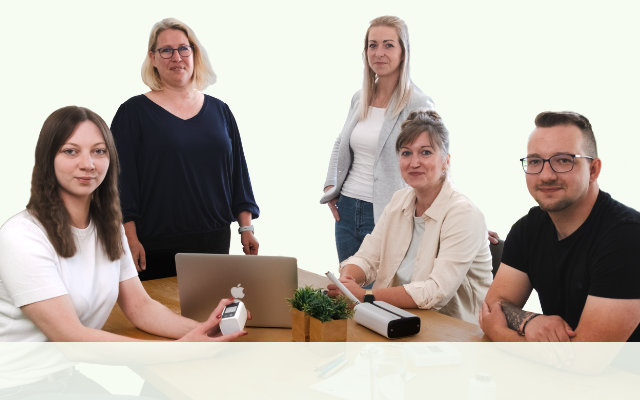
The protagonist: Tini Diekmann – Hotel manager, tool architect, digital specialist

Photo credits: Martin Kunz and Christina Demerzi
Tini Diekmann has been at the Hotel Oderberger since ‘day one’. She has held various roles within the hotel, including revenue manager and sales manager with operational responsibility, and today, as hotel manager, she deliberately takes a hands-on approach to driving digitalisation herself.
Not because she ‘likes playing with tools’, but because she sees the topic as a business lever: digitalisation influences processes, quality and cost-effectiveness. Or as she puts it succinctly in the interview: “Digitalisation must be driven at management level – otherwise it remains a patchwork affair.”
And yes: she is also very active on social media. For her, visibility is part and parcel of modern hotel management – not as an end in itself, but as a platform for exchange. “I want to see what my colleagues are trying out, and I want others to learn from our experiences so they can move faster and benefit.”
Scene 1: A building dating from 1902 – and a tech stack with a museum-like feel
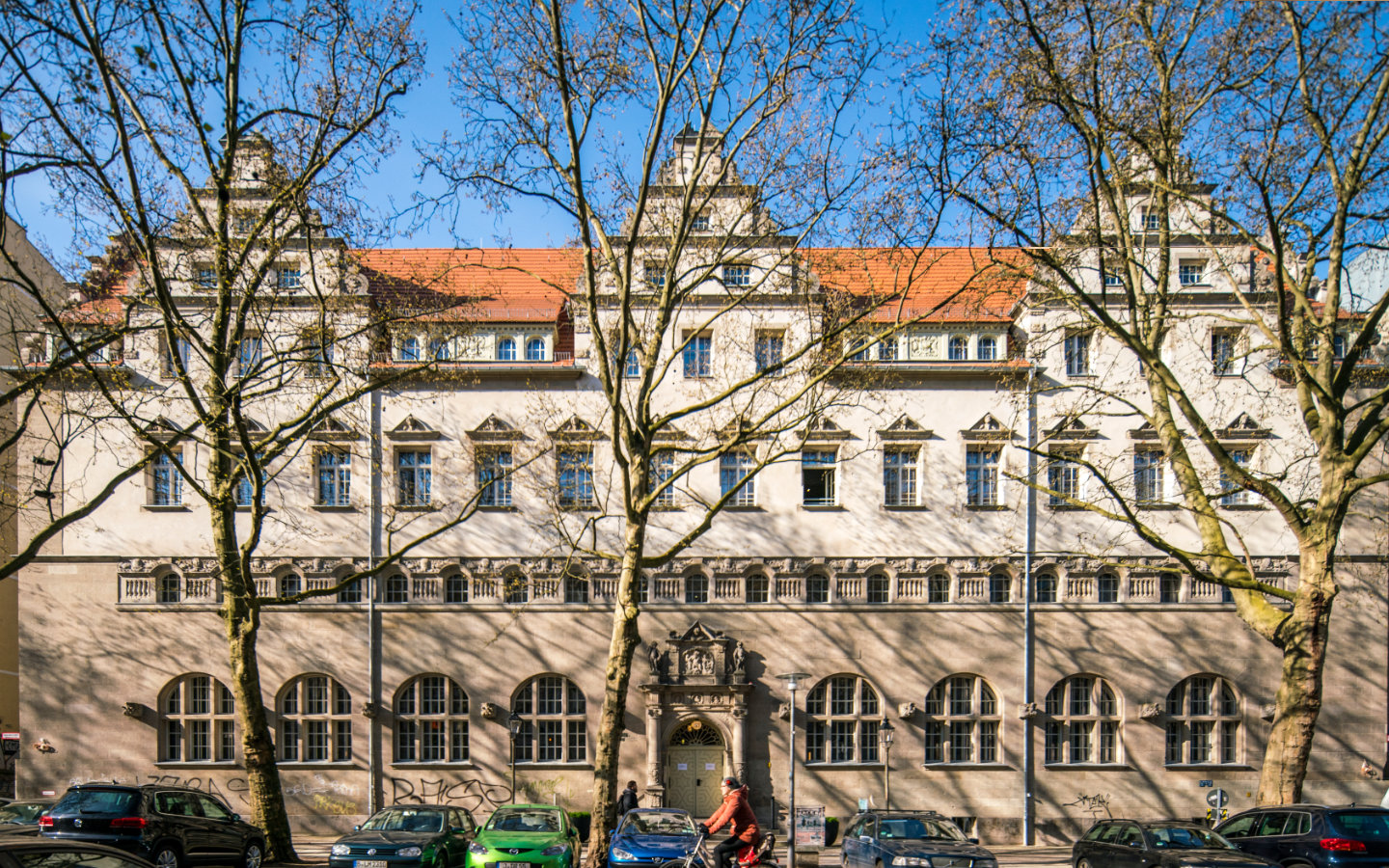
Anyone familiar with the Oderberger knows this: the building isn’t just a hotel. It’s a place steeped in history – and you can really feel it. The former municipal swimming pool is steeped in history and makes a real architectural statement. When Tini Diekmann talks about the early days of digital technology, it sounds a bit like a loving roll of the eyes: “The building is steeped in history – and our tech stack back then was about as steeped in history as that.” The term “tech stack” was rather exotic in everyday hotel life back then. Today, it’s standard practice at the Oderberger.
In the meantime, a modular approach has emerged, which even has its own name internally: ‘Tini-Tech-Baukausten’ (The Tini Tech Modular System). This doesn’t mean implementing more and more tools, but rather selecting the right tools to suit the hotel, the guests and the team.
The approach is surprisingly down-to-earth:
- What do we really need?
- What would make sense for our hotel – not for some ideal hotel on paper?
- Discussions with other hotel directors and general managers: Who has had what experiences?
- Implement and fine-tune: Not just buying in, but actually running it.
Scene 2: Energy efficiency isn’t just a trend – it’s your safety belt
If you run a hotel, you’ll be familiar with the balancing act: on the one hand, costs are rising; on the other, expectations are rising. At the Hotel Oderberger, energy efficiency is therefore prioritised for two reasons:
- Cost-effectiveness: “Everything is getting more expensive – if you want to run your hotel profitably, you can’t let costs eat into your profits,” explains Diekmann.
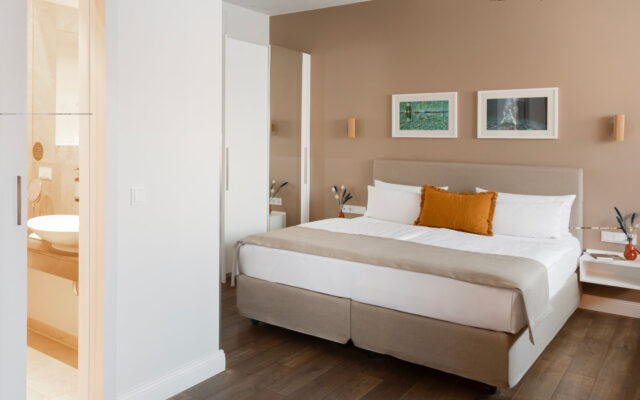
- Guest experience: “Guests mustn’t be left in the cold – especially not when they’re paying 200 euros for a room,” says Diekmann.
This led to the following requirements for the heating cost management solution:
- Saving money without the guest noticing.
- Comfort without constant heating.
- Control without extra effort.
Tini Diekmann’s bottom line sounds simple, but is worth its weight in gold in operational terms: “We wanted warm rooms on arrival – yet still only heat what is actually occupied.”
Scene 3: Why historic buildings have their own rules when it comes to heating
When it comes to energy management, a new building is often like a blank sheet of paper. The Hotel Oderberger, on the other hand, is more like a manuscript with 120 years’ worth of marginal notes. Diekmann describes the challenge as follows: “Naturally, this building wasn’t constructed with energy efficiency in mind. In winter, you simply have to turn the heating up.”
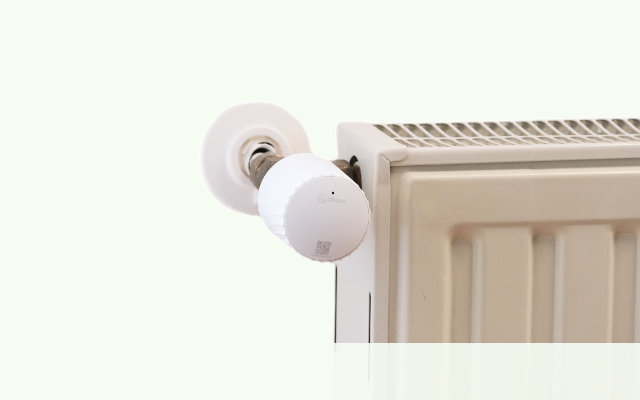
Added to this is a factor that many underestimate: warmth is not just about physics, but also psychology. “In winter, 20 degrees feels different to our guests than it does in summer,” explains Diekmann. This means that if you want to ensure comfort, you quickly end up with ‘safety heating’. And safety heating is, ultimately, the same principle as simply leaving it on. This is exactly where better.energy comes in: automation + rules + transparency.
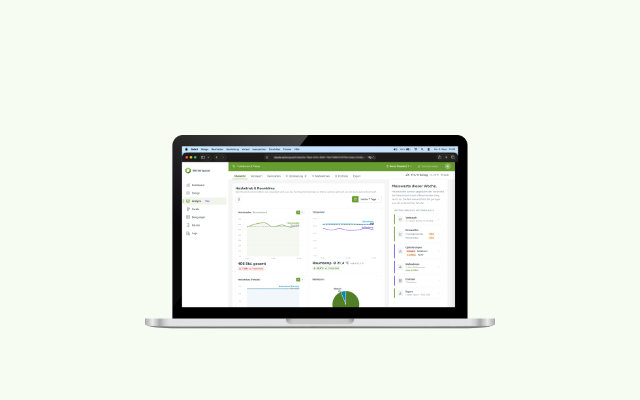
The hotel manager puts it this way: “In the past, colleagues had to run into rooms and turn thermostats up and down; that took time and, ultimately, cost money because it wasn’t always feasible. Today, better.energy controls this automatically. The interface with our Mews PMS ensures that we don’t have to maintain any data manually.”
Thanks to the connection to the Property Management System Mews via the Open API, occupancy-based heating has become the energy-efficient standard at the Hotel Oderberger. And all without any programming effort or cumbersome integration. “The data exchange between the PMS and better.energy works flawlessly and means occupancy-based heating for us with no effort at all,” says Diekmann.
| Process | Previously without better.energy | Now with better.energy |
|---|---|---|
| Arrival | Someone walks into the room and turns up the radiator | Automatic pre-heating before check-in |
| Departure | Someone has to remember to turn it down | Automatic temperature reduction after check-out |
| ‘Too warm’ and ‘too cold’ risk | Hardly any guidelines; the guest can set the radiator thermostat as they wish | Temperature limits are set |
| Times of day | The heating runs continuously | Daytime temperature reduction occurs automatically during periods of inactivity |
| Night | Heating in continuous operation | Automatic nighttime temperature reduction |
| Bathroom | Turn it up, then forget about it | Reset the temperature to an energy-efficient level |
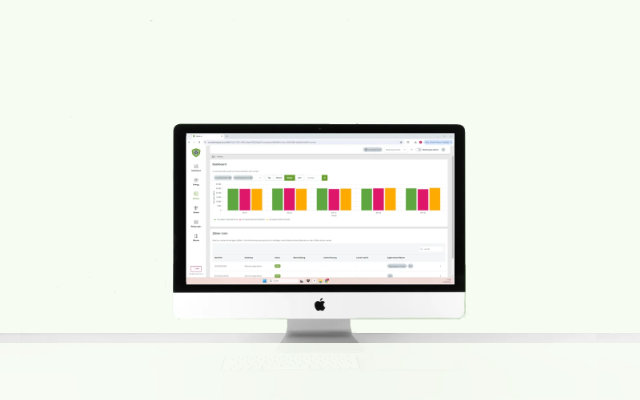
| Effort | Countless trips back and forth and potential sources of human error | Control via web access; better.energy regulates automatically |
The key better.energy features at the Hotel Oderberger
1. Pre-heating: Arriving to a warm room without anyone having to rush: That’s the cornerstone of comfort. Diekmann calls it the point where guest satisfaction and efficiency come together: “Guests should find a warm room – but we don’t have to heat empty rooms.”
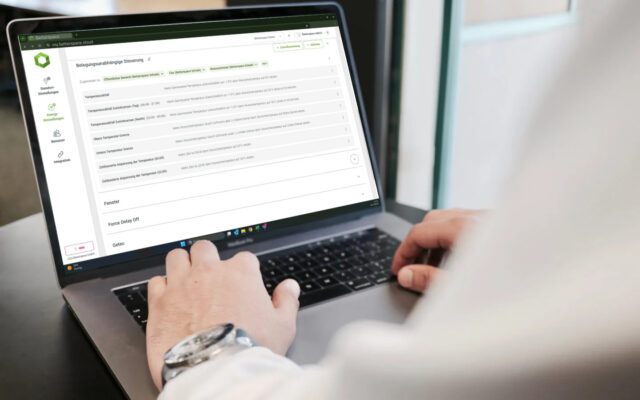
2. Automatic temperature reduction after check-out: Stop ‘idle heating’: After guests have left, no one needs to do any follow-up work. This is particularly valuable because, in the hotel industry, forgetfulness is not a character flaw but simply part of everyday life, given the numerous tasks and guest interactions.
3. Temperature limits: No ‘28-degree experiments’. “Of course, guests can adjust the temperature themselves, but it doesn’t have to be 28 degrees. That isn’t sensible from a health perspective either. The important thing is that guests retain the ability to make adjustments, but within reasonable limits,” Diekmann sums it up pragmatically.
4. Daytime temperature reduction (11:00–15:00): Heat according to occupancy, not habit: “Between 11:00 and 15:00, many guests are out and about. The heating doesn’t need to be running then. This rule is a good example of efficiency without compromising on comfort,” explains Diekmann.
5. Night-time temperature reduction (00:00 – 07:00): Sleep mode for the building: At the Oderberger, the temperature is lowered to 19 °C at night and automatically raised back to 21 °C in the morning. “Nobody wants a tropical climate at night, but it should be comfortable again in the morning,” says the hotel manager.
6. Bathroom reset: Use briefly, don’t leave the heating on constantly – that’s the motto here. “The bathroom is the perfect place to turn the radiators up high and then forget about them. That’s exactly why the temperature resets after 60 minutes. The bathroom is usually only used for a short time. If nobody turns it down afterwards, we’re wasting energy, and that’s unnecessary,” explains Diekmann.
Old buildings + wireless: the gateway lesson
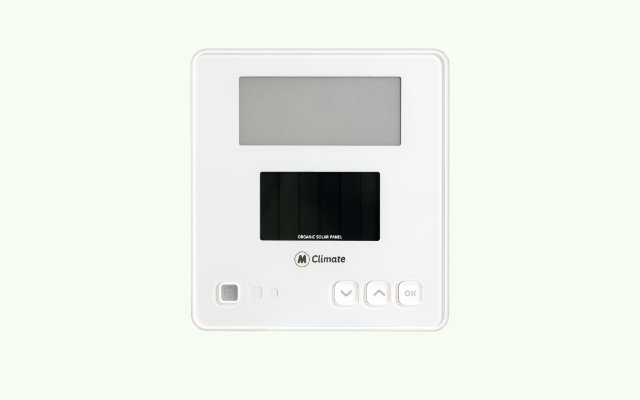
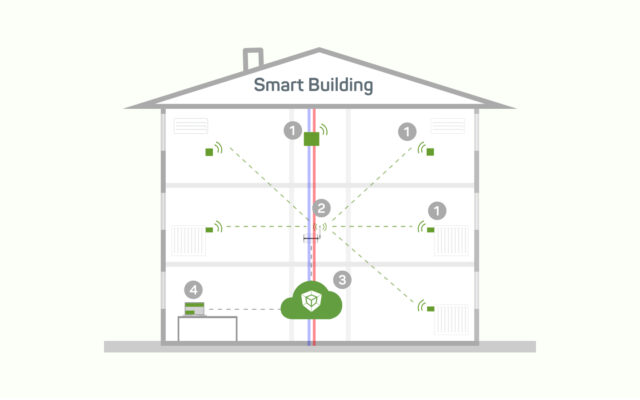
At the Oderberger, they started with a LoRaWAN gateway. A second one was added later – with noticeable results: better connectivity for the thermostats, more stable communication and lower battery consumption thanks to improved wireless conditions. “That was a real lesson learnt – the building’s structure showed us that we needed more reception power,” says Diekmann.
If you’re facing similar circumstances, take this as a reminder not to treat wireless connectivity as a ‘side issue’. When in doubt, wireless quality determines whether your system works ‘most of the time’ or ‘reliably’.
Implementation in day-to-day operations: “Ordering, delivery, allocation – it all went smoothly”
Roll-outs rarely fail because of the grand vision, but rather because of minor hiccups: incorrect allocation, unclear responsibilities, a slow onboarding process. The feedback here was clear: “Ordering, delivery and the allocation of the thermostats went flawlessly,” says Diekmann happily.
This is more than just a nice touch: it’s a boost to acceptance across the entire hotel team. Because when the launch goes smoothly, the team doesn’t perceive the solution as a disruption, but for what it is: support in day-to-day operations.
Staff & guests: Intuitive for staff, easy to explain to guests
Diekmann particularly emphasises the strength of the user interface: “The software is incredibly intuitive and clear – new colleagues quickly find their way around.” This is a real advantage in hotel operations, as training takes time and shift patterns make it difficult to maintain continuity.
On the guests’ side, there was a typical reaction: some are surprised because they can no longer set the thermostat to traditional ‘levels’. For the experienced hotel manager, the solution was straightforward and very easy to implement: “Our reception team explains it briefly on arrival; after that, it’s no longer an issue, and guests are pleased to be contributing indirectly to climate protection.”
Energy costs remain stable, despite rising energy prices
One issue familiar to many hotel operators is that the most accurate measurement isn’t always possible, as several areas are covered by a single bill. At the Oderberger Berlin, the hotel, language school and campus are all on the same bill. That is why there is not (yet) an exact figure of “X per cent” when it comes to savings. Diekmann’s conclusion is nevertheless clear: “The bill hasn’t gone up, even though energy prices have risen – that alone shows us that we’re bucking the trend.” This isn’t a laboratory reading, but a very realistic indicator.
better.guest as a service booster
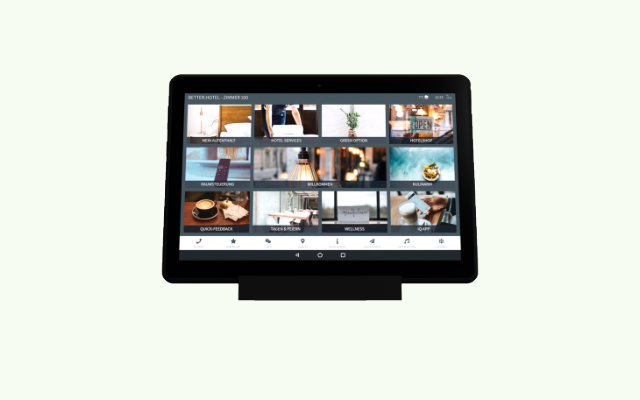
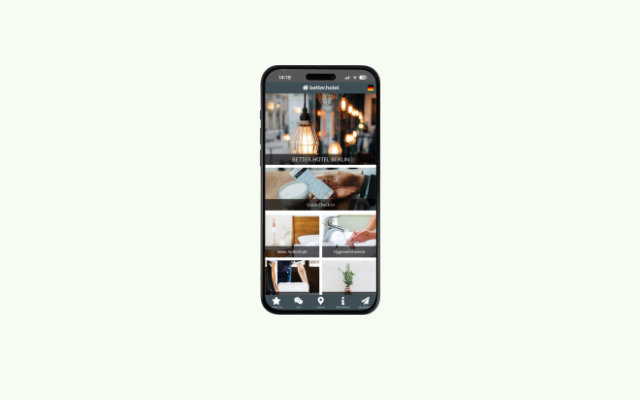
Before better.energy came into the picture, the Hotel Oderberger was already using in-room tablets featuring the digital guest information pack, better.guest. The result in day-to-day operations: less printing, more up-to-date information and more content.
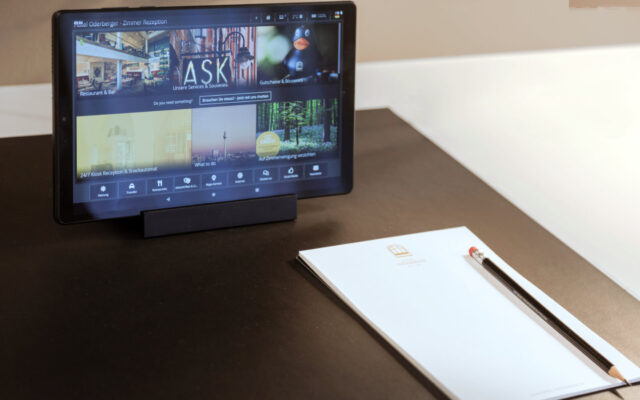
Diekmann describes the benefits in very practical terms: “We used to have paper folders that had to be constantly reprinted and distributed. Now it’s done at the touch of a button.” The link to temperature control is particularly interesting: guests can also conveniently adjust the temperature for their room and bathroom via the tablet. This creates a good balance between guest comfort, ease of use, and energy efficiency. This is because the hotel maintains systematic control over the heating through temperature limits, reductions and reset logic via better.energy.
Conclusion: What you, as an operator, can take away from the Oderberger case study
The Hotel Oderberger impressively demonstrates how you can strike the right balance in a challenging existing building: ensuring comfort, controlling costs and simplifying operations.
When you apply this to your own establishment, these are the key takeaways:
- Make energy efficiency a management priority: not as micromanagement, but as a clear priority. Or as Diekmann puts it: “Digitalisation – and with it, energy – belongs at management level.”
- Think in terms of rules rather than individual cases: pre-heating, temperature reduction, daytime windows, night-time windows, bathroom reset – these are levers that have a lasting effect.
- Plan for wireless technology as part of the infrastructure: Existing systems require a sense of realism. An additional gateway involves higher upfront costs as a hardware component, but it offers operational stability and reduces battery consumption.
- Communicate guest services proactively: A single sentence at check-in saves on follow-up enquiries and increases acceptance.
- Assess success in practical terms: If costs remain stable despite price pressure, that is already a measurable success for many businesses.
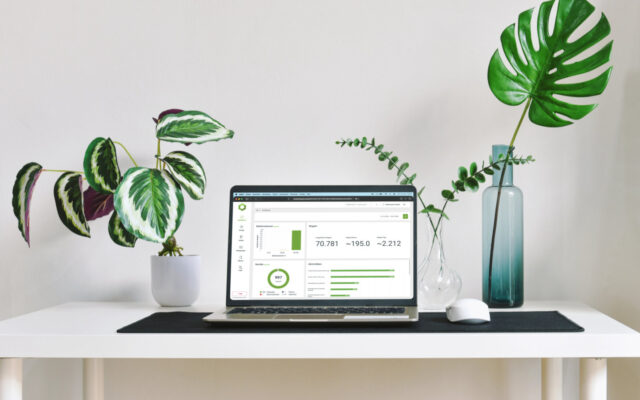
Are you wondering whether better.energy and occupancy-based heating could also be a solution for your hotel to reduce heating costs and improve energy efficiency? Then book a free consultation with our energy experts or use our savings calculator, which will tell you how much you could save on heating costs with just a few details.
Get advice now!
Sources and further information
- Interview with Hotel Manager Tini Diekmann, 22.01.2026
- Nachhaltigkeit im Oderberger
- better.energy – Control
- better.energy Features